
LASER HAIR REMOVAL MACHINE PRICE UK · BUYER'S GUIDE
Laser hair removal is one of the most consistently in-demand aesthetic treatments in the UK. Clients book it year-round, it produces reliable results, and once you've invested in the right machine, the revenue it generates compounds over time as clients return for multiple sessions across multiple treatment areas.
But professional laser hair removal machines vary enormously in price — from under £3,000 for entry-level diode systems to £30,000+ for high-end medical-grade devices. If you're researching what UK clinics actually pay, and what justifies the difference, this guide gives you a straight answer.
We've included honest pricing for our own LMC diode laser range, a breakdown of what drives cost differences, the specs that actually matter for real-world clinical results, and a clear ROI picture so you can assess whether the investment makes commercial sense for your setup.
WHAT'S IN THIS GUIDE
- UK laser hair removal machine price ranges (2026)
- What drives the cost difference
- Diode laser vs IPL — which technology do you need?
- The specs that actually matter
- The LMC diode laser range — prices and who each machine suits
- Hidden costs to budget for
- Finance options for UK clinics
- Red flags when buying a hair removal laser
- Return on investment — what to realistically expect
- Frequently asked questions
UK Laser Hair Removal Machine Price Ranges (2026)
What professional clinic-grade equipment actually costs right now
Professional laser hair removal machines in the UK currently range from approximately £2,500 to £30,000+, with the majority of clinic-grade diode systems sitting between £5,000 and £15,000. Here's how the market breaks down:
TIER 1 · ENTRY-LEVEL
£2,500 – £5,000
Lower-powered diode systems and IPL machines targeting practitioners adding hair removal as a secondary service. Typically single wavelength, lower wattage outputs (under 2,000W), and basic cooling systems. Suitable for lower treatment volumes and finer hair types.
Best for: Mobile practitioners, salons trialling hair removal for the first time, practitioners with a low weekly session volume.
TIER 2 · MID-RANGE PROFESSIONAL
£5,000 – £12,000
The most popular bracket for established clinics. Higher wattage outputs (2,000W–4,000W+), multiple wavelengths for different hair and skin types, advanced cooling systems for back-to-back sessions, and longer shot lifespans. Designed for clinics running hair removal as a core treatment.
Best for: Clinics running regular hair removal bookings, practitioners treating a wide range of hair colours and skin types, businesses where hair removal is a primary revenue driver.
TIER 3 · HIGH-VOLUME / DUAL-PURPOSE
£10,000 – £17,000
High-output machines built for busy multi-room clinics, or 2-in-1 systems combining diode hair removal with ND:YAG tattoo removal in a single unit. Built to sustain high daily session volumes with consistent energy output throughout.
Best for: High-volume clinics, practitioners wanting two revenue streams from one machine, established businesses expanding their laser treatment menu.
TIER 4 · MEDICAL / SPECIALIST
£17,000+
Medical-grade equipment from established manufacturers with advanced cooling technologies, multiple application heads, and software-driven treatment protocols. Typically found in dermatology clinics, multi-location aesthetic chains, or practices where hair removal is the dominant service.
Best for: Specialist hair removal clinics running very high daily volumes, multi-location operations, practitioners treating complex cases including very dark skin types or very fine light hair.
The honest takeaway
Most UK clinics building a successful hair removal service do so with machines in the £5,000–£11,000 range. The highest-priced machines aren't always delivering proportionally better clinical results — they're often delivering higher build quality, longer lifespans, and more advanced cooling for sustained high-volume use. Match the machine to your actual volume and client base.
What Actually Drives the Cost Difference?
Why two machines with similar spec sheets can have very different prices
The price of a professional laser hair removal machine isn't always a reliable indicator of clinical performance. Here's what genuinely justifies a higher price — and what doesn't.
1. Wattage and output power
Raw wattage is one of the most important factors for a busy clinic. Higher wattage means faster treatment times — a 4,000W machine can treat a full leg significantly faster than a 1,200W system. In a clinic running multiple sessions daily, treatment speed directly affects how many clients you can see, which affects revenue. Higher wattage machines cost more but earn back the difference quickly at volume.
2. Number of wavelengths
Different hair colours and skin types respond better to different wavelengths. A triple-wavelength diode system (typically 755nm, 808nm, and 1064nm) treats a significantly wider range of clients than a single 808nm machine. The 755nm wavelength is more effective on finer, lighter hair. The 1064nm is safer and more effective on darker skin tones. Machines with all three wavelengths cost more but expand the client base you can treat.
3. Cooling system
Cooling is one of the most underappreciated factors when comparing machines. A sophisticated cooling system — typically combining contact cooling on the handpiece with internal water cooling — serves two purposes: it protects the client's skin during treatment, and it protects the machine during sustained use. In a clinic running back-to-back sessions, a machine with inadequate cooling will either slow down or overheat. Premium machines invest heavily here.
4. Shot lifespan
Every diode laser has a finite number of shots before the laser bars need replacing. A machine rated for 20 million shots will last significantly longer in a busy clinic than one rated for 5 million. Shot lifespan affects long-term running costs — a higher upfront price for a longer-lasting machine can represent better value over a three to five year operating period.
5. What's bundled with the purchase
Training, warranty, after-sales support, and accessories vary enormously between suppliers. A machine listed at £3,500 with no meaningful training, no real warranty support, and no UK-based contact is not a better deal than a £9,999 machine that includes professional training, a 1-year warranty, and a supplier who answers the phone. Always compare total cost of ownership.
Diode Laser vs IPL — Which Technology Do You Need?
The most common question when researching hair removal equipment
IPL (Intense Pulsed Light) and diode laser are both widely used for hair removal, but they work differently and deliver different results. Here's a straightforward comparison.
DIODE LASER
- Single or multiple specific wavelengths
- More precise energy delivery
- More effective on a wider range of hair types
- Faster treatment times at higher wattages
- Better results on darker skin tones
- Industry standard for professional clinics
- Price range: £5,000–£17,000
IPL
- Broad spectrum light, not a true laser
- Less targeted energy delivery
- Less effective on fine or light hair
- More limited on darker skin tones
- Often requires more sessions
- Lower upfront cost
- Price range: £1,500–£8,000
Our recommendation
For a professional clinic where hair removal is a core or primary service, diode laser is the right choice. IPL can work for lower-volume setups or where cost is the primary constraint, but the gap in results — particularly on darker skin tones and finer hair — means most clinics that start with IPL eventually upgrade to diode. Starting with diode avoids that cost and disruption.
The Specs That Actually Matter
A practical guide to reading a hair removal machine spec sheet
Machine spec sheets can be padded with numbers that sound impressive but have limited bearing on real clinical performance. Here's what to focus on.
✓ Specs that genuinely matter
✗ Specs that matter less than suppliers suggest
The LMC Hair Removal Range — Prices and Who Each Machine Suits
Transparent pricing with no hidden costs
All LMC machines include free professional training, a 1-year warranty, and ongoing UK technical support. Here are the hair removal options in the range:
PROFESSIONAL · HAIR REMOVAL
LMC Diode Lux Pro
£9,999
Includes training & warranty
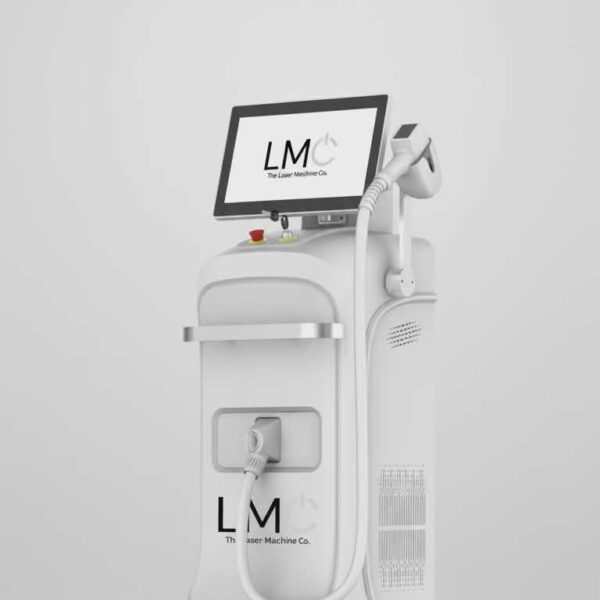
A dedicated professional diode laser built specifically for laser hair removal. 4,000W output with 4-wavelength technology and an Android-based operating system that allows you to run clinic management applications alongside your treatment protocols. Built for clinics where hair removal is a core service and treatment speed matters.
Ideal for: Established clinics where hair removal is a primary service, practitioners treating a full range of skin types and hair colours, businesses looking for a high-throughput dedicated hair removal system.
View LMC Diode Lux Pro →HIGH-VOLUME · HAIR REMOVAL
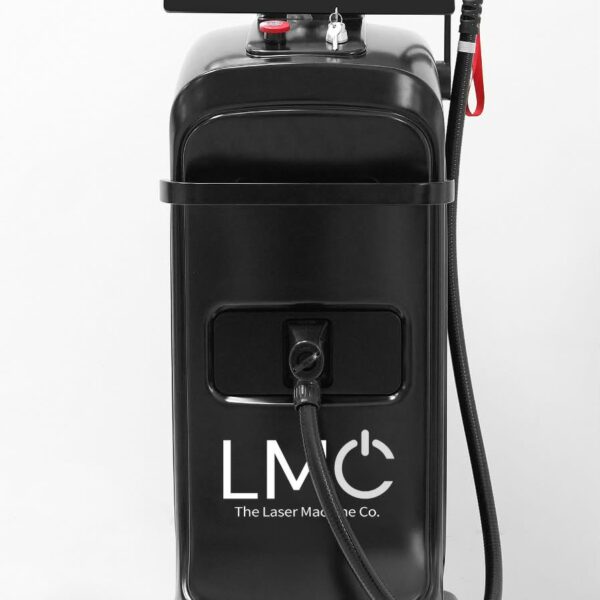
LMC Vertical Diode Lux Elite
£14,999
Includes training & warranty
The flagship hair removal machine in the LMC range. Vertical tower design built for sustained high-volume use — ideal for busy multi-room clinics or dedicated laser hair removal specialists running a significant number of sessions daily. Advanced cooling system and high-output engineering designed for machines that work hard every day.
Ideal for: High-volume dedicated hair removal clinics, multi-practitioner setups, established businesses where hair removal is the primary revenue driver.
View LMC Vertical Diode Lux Elite →2-IN-1 · HAIR REMOVAL + TATTOO REMOVAL
LMC Dual Lux Pro
£10,999
1600w diode · Training & warranty included
The most commercially versatile machine in the LMC range. The Dual Lux Pro combines a 4,000W ND:YAG tattoo removal system with a diode laser hair removal system in a single unit. For clinics looking to offer both treatments without buying two separate machines, this is the option that makes the most financial sense.
Ideal for: Clinics wanting to offer both hair removal and tattoo removal, practitioners adding a second laser revenue stream, businesses maximising treatment menu breadth from a single investment.
View LMC Dual Lux Pro →Not sure which machine suits your clinic?
Book a free demo call with Alex or Dawn — we'll talk through your treatment plans, session volume, and budget honestly. If you're in Lancashire or nearby, you're welcome to visit us in Rossendale and see the machines working in person.
Video/Zoom calls available UK-wide · In-person visits welcome at our Rossendale clinic
Finance Options for UK Clinics
Spreading the cost without compromising on equipment quality
We offer flexible finance options on all LMC machines, allowing you to spread the cost over monthly payments. This keeps your upfront outlay low while giving you access to professional-grade equipment from day one.
External asset finance and business loans from UK lenders are also widely used for aesthetic equipment purchases. We can provide full equipment documentation to support any finance application.
The revenue case for finance
A laser hair removal session in the UK typically costs a client £50–£150 per session depending on the treatment area, with most clients completing 6–8 sessions per area. A single client treating legs and underarms represents £600–£2,400 in revenue over their treatment course — before they start treating additional areas or refer others.
On a machine priced at £9,999 spread over 24 months, the monthly cost is approximately £417. A clinic running just 3–4 hair removal sessions per week covers that comfortably from treatment revenue alone. Finance removes the barrier to entry without materially affecting the profitability of the service.
Red Flags When Buying a Laser Hair Removal Machine
What to watch for before transferring any money
Bank transfer only — no protected payment method
Legitimate suppliers accept card payments or PayPal. Bank transfer only means no recourse if the machine doesn't arrive or doesn't match the description.
Inflated wattage claims
Some suppliers advertise peak power rather than average output, making machines appear significantly more powerful than they are in real treatment conditions. Ask for average output wattage, not peak.
CE certification that doesn't cover the device
Ask specifically for the CE certificate for the laser unit itself. Some suppliers show certificates for accessories — the handpiece, the goggles — while the machine is uncertified.
No UK address or direct phone number
If you can't verify a physical UK location and can't speak to someone directly before buying, consider what your after-sales experience will look like when something needs attention.
Training that doesn't meet insurer requirements
Most UK insurers require a recognised Level 4+ qualification for laser hair removal. A PDF guide or online video does not satisfy this. Confirm what training is included and whether it's insurer-recognised before purchasing.
Return on Investment — What to Realistically Expect
Conservative projections based on real UK clinic pricing
Laser hair removal is one of the strongest ROI treatments in aesthetics. Clients return for multiple sessions, they treat multiple areas, and satisfied clients refer others. Here's a conservative illustration.
ILLUSTRATIVE ROI — LMC DIODE LUX PRO (£9,999)
Average session fee (UK)
£60–£120
Sessions to cover machine cost
~83–167 sessions
At 3 sessions/day, 4 days/week
£2,880–£5,760/month
Machine cost recovered within
~2–3.5 months
Illustrative only. Actual results depend on your pricing, location, client volume, and overheads. Session fees vary significantly by treatment area — small areas (upper lip, underarms) are typically £30–£60; large areas (legs, back) £80–£150+.
The compounding effect of multi-area treatments
What makes hair removal particularly strong commercially is that clients rarely treat just one area. A client who starts with underarms almost always adds legs, bikini line, or facial hair over the course of their treatment programme. One client acquisition can realistically generate 20–40 sessions across multiple treatment areas — and the sessions repeat every 4–8 weeks for several months.
Adding tattoo removal with the Dual Lux Pro
The LMC Dual Lux Pro adds a complete 4,000W tattoo removal system to a diode hair removal machine in one unit. For clinics that want both services without the cost of two separate machines, the price difference between the Diode Lux Pro (£9,999) and the Dual Lux Pro (£10,999) is just £1,000 — while the additional revenue potential from tattoo removal is significant.
Frequently Asked Questions
Straight answers to the questions we hear most
THE LASER MACHINE CO · ROSSENDALE, LANCASHIRE
See the Machines in Action Before You Buy
Book a free demo call with Alex or Dawn, visit us in Rossendale, or send a WhatsApp. No sales pressure — just honest advice about what's right for your clinic.
OPTION 1
Book a Demo Call
Video or Zoom with Alex or Dawn. See the machines, get honest answers. UK-wide.
Book Demo Call →OPTION 2
Visit Us in Rossendale
Based in Lancashire or nearby? Come see the machines working in person.
Arrange a Visit →OPTION 3
Request a Quote
Know what you want? Send a WhatsApp and we'll come back to you fast.
WhatsApp Us →