
Uncategorized

Professional HIFU Machine UK — Buyer’s Guide

HIFU — High Intensity Focused Ultrasound — has become one of the most in-demand non-surgical treatments in UK aesthetics. Clients want the results of a facelift without the surgery, the downtime, or the cost. A well-positioned HIFU treatment menu can command £300–£800 per session, and the treatment itself takes under two hours with no recovery time required.

For clinic owners, the equipment decision is where most of the work is. The HIFU machine market is crowded, the spec language is confusing, and the price range is wide — from £1,500 entry-level desktop units to £20,000+ medical-grade systems. Understanding what separates them is the difference between a machine that delivers consistent clinical results and one that disappoints clients and sits idle after six months.

This guide covers everything UK clinic owners need to know about professional HIFU machines in 2026: how the technology works, what the 7D system designation actually means, which specs matter, how to evaluate the CMC range, and how to build the ROI case before you commit.

How HIFU Actually Works

The mechanism behind the treatment — and why depth control is the key differentiator

HIFU uses focused ultrasound energy to generate precise thermal injury points — called focal points or thermal coagulation points (TCPs) — at specific depths within the skin and underlying tissue. Unlike laser or RF treatments that work primarily at the surface or dermis, HIFU can target deeper structural layers without affecting the overlying skin.

The mechanism is thermal coagulation: the focused ultrasound beam converges at a precise focal point, generating temperatures of approximately 65–75°C at that point. This controlled thermal injury triggers the body's wound healing response — stimulating collagen and elastin production over the weeks following treatment. The result is gradual tightening and lifting that continues to improve over 2–3 months post-treatment.

Three depth levels matter most for facial treatment:

Depth Target Layer Effect Typical Transducer
1.5mm Superficial dermis Skin texture, fine lines, superficial tightening 4.5MHz or 7MHz
3.0mm Deep dermis Dermal remodelling, wrinkle reduction 4.5MHz
4.5mm SMAS layer Structural lifting — the primary anti-ageing target 4.5MHz
6.0mm / 8.0mm / 10mm+ Subcutaneous fat / body Body contouring, fat reduction 3MHz

The SMAS layer — the Superficial Musculo-Aponeurotic System — is the layer that plastic surgeons target in traditional facelifts. The ability to reach this depth non-invasively is what differentiates HIFU from superficial treatments and explains its popularity for genuine lifting results. Not all HIFU machines reliably reach and accurately treat the SMAS — this is one of the most important quality differentiators between budget and professional equipment.

What HIFU does not do

Being clear about this with clients at consultation avoids the most common source of negative reviews for HIFU treatments. HIFU does not:

  • Produce instant visible results — collagen remodelling takes 4–12 weeks to become visible
  • Replicate the results of surgical facelifts — it lifts and tightens, but within limits
  • Treat very advanced skin laxity effectively — ideal candidates have mild to moderate laxity
  • Work well on very thin skin with no subcutaneous fat (the ultrasound needs tissue to focus through)

What "7D HIFU" Actually Means

Cutting through the marketing terminology

The "7D" label you'll see across the professional HIFU market is a marketing designation rather than a technical standard. It originally referred to a generation of HIFU machines that offered seven distinct treatment depth/cartridge combinations — giving practitioners more options across facial and body treatment areas from a single system. The term has since become widely adopted as a generic quality signal across the industry.

What the 7D designation typically indicates in practice:

  • Multiple cartridge depths — typically covering 1.5mm, 2.0mm, 3.0mm, 4.5mm for the face, plus body cartridges at 6mm, 8mm, 10mm or deeper
  • Macro and micro focused ultrasound (MFU) — the ability to treat both macro-focused lines (traditional HIFU) and micro-focused points for more superficial texture and skin quality work
  • Higher shot counts per cartridge — modern 7D cartridges typically offer 10,000–20,000 shots vs the 3,000–5,000 of earlier generation systems
  • Faster treatment speeds — updated transducer technology that reduces the time per line of shots

What "7D" does not guarantee:

  • Consistent focal accuracy — lower-quality 7D machines may label cartridges at 4.5mm but deliver focal points inconsistently or at slightly different depths
  • Cartridge longevity — cheap cartridges lose focal accuracy before the quoted shot count is reached
  • Build quality of the main unit — the "7D" label is on the cartridge spec, not the machine's electronics or durability

The practical takeaway

When a supplier describes their machine as "7D HIFU," ask specifically how many cartridges are included, what the shot count per cartridge is, and what the cartridge replacement cost is. Those numbers tell you more than the "7D" designation alone. A professional 7D system with 10,000-shot cartridges at reasonable replacement cost is a very different proposition from a budget unit with 3,000-shot cartridges at £80 each.

Treatment Areas and What HIFU Can Realistically Achieve

Setting realistic expectations — for you and your clients

Face and neck

The primary application for HIFU. The most clinically well-evidenced results are:

  • Brow lifting — one of the most reliably visible outcomes; clients typically notice 2–5mm of brow lift
  • Jawline definition — tightening of the lower face and jowl area; particularly effective for mild to moderate laxity
  • Neck and décolletage — skin tightening and crepiness reduction; the neck responds well to SMAS-depth treatment
  • Nasolabial fold softening — volume doesn't increase but the structural support improves
  • Under-eye and cheek area — superficial cartridges (1.5mm–3mm) for texture and mild tightening; caution required around the orbital bone

Body contouring

Professional 7D HIFU systems with body cartridges (6mm–13mm) can treat:

  • Abdomen — targeting subcutaneous fat for circumference reduction; typically 2–3 sessions required
  • Inner thighs and arms — skin tightening and mild fat reduction on areas with soft tissue laxity
  • Buttocks — non-surgical lifting; a growing treatment category with strong client demand
  • Back and flanks — fat reduction and skin tightening around the bra line and waist area

Ideal client profile

Characteristic Good Candidate Poor Candidate
Age 30–65 Under 25 (insufficient laxity) or over 70 (very advanced laxity)
Skin laxity Mild to moderate Severe — surgical intervention more appropriate
Skin thickness Normal to thick Very thin skin — limited tissue for ultrasound to focus through
Expectations Gradual improvement, maintenance approach Expecting immediate dramatic results
Contraindications None in treatment area Metal implants, pacemakers, active skin infections, pregnancy

What "7D HIFU" Actually Means

Cutting through the marketing terminology

The "7D" label you'll see across the professional HIFU market is a marketing designation rather than a technical standard. It originally referred to a generation of HIFU machines that offered seven distinct treatment depth/cartridge combinations — giving practitioners more options across facial and body treatment areas from a single system. The term has since become widely adopted as a generic quality signal across the industry.

What the 7D designation typically indicates in practice:

  • Multiple cartridge depths — typically covering 1.5mm, 2.0mm, 3.0mm, 4.5mm for the face, plus body cartridges at 6mm, 8mm, 10mm or deeper
  • Macro and micro focused ultrasound (MFU) — the ability to treat both macro-focused lines (traditional HIFU) and micro-focused points for more superficial texture and skin quality work
  • Higher shot counts per cartridge — modern 7D cartridges typically offer 10,000–20,000 shots vs the 3,000–5,000 of earlier generation systems
  • Faster treatment speeds — updated transducer technology that reduces the time per line of shots

What "7D" does not guarantee:

  • Consistent focal accuracy — lower-quality 7D machines may label cartridges at 4.5mm but deliver focal points inconsistently or at slightly different depths
  • Cartridge longevity — cheap cartridges lose focal accuracy before the quoted shot count is reached
  • Build quality of the main unit — the "7D" label is on the cartridge spec, not the machine's electronics or durability

The practical takeaway

When a supplier describes their machine as "7D HIFU," ask specifically how many cartridges are included, what the shot count per cartridge is, and what the cartridge replacement cost is. Those numbers tell you more than the "7D" designation alone. A professional 7D system with 10,000-shot cartridges at reasonable replacement cost is a very different proposition from a budget unit with 3,000-shot cartridges at £80 each.

The Specs That Matter When Buying a HIFU Machine

What to ask every supplier — and what the numbers actually mean

1. Cartridge depths and frequencies available

A professional facial HIFU machine should offer at minimum: 1.5mm, 3.0mm, and 4.5mm cartridges. The 4.5mm SMAS-depth cartridge is the most clinically important for facial lifting — if a machine doesn't reliably treat at this depth, the results will be superficial. Body treatment capability requires additional cartridges at 6mm, 8mm, 10mm, and 13mm. Check exactly which cartridges are included in the base price and which are add-ons.

2. Shot count per cartridge

Each HIFU cartridge has a rated lifespan — the number of shots (thermal injury points) it can deliver before accuracy degrades. Budget cartridges are often rated 3,000–5,000 shots. Professional cartridges run 10,000–20,000 shots. This matters for two reasons: treatment economics (fewer shots per cartridge means higher per-treatment cost) and clinical quality (a cartridge near the end of its life may fire with reduced precision). Always ask what the shot count is per cartridge and what the replacement price is.

3. Focal accuracy and transducer quality

The clinical effectiveness of HIFU depends on the ultrasound energy converging precisely at the stated depth. Poor-quality transducers produce inconsistent focal points — energy scattered slightly above or below the target depth means less effective treatment and higher risk of superficial burning. This is difficult to assess from a spec sheet; it's best evaluated through clinical demonstration and peer practitioner feedback. A supplier confident in their machine will offer a live demonstration.

4. Treatment speed (shots per minute)

A full face and neck HIFU treatment typically requires 800–1,500 shot lines. Older HIFU machines fire slowly — a full treatment can take 90 minutes or more. Modern 7D systems with faster firing rates can complete the same treatment in 45–60 minutes. Faster treatments mean more clients per day, better client experience, and more competitive pricing. Ask for the shots-per-second or lines-per-minute specification and ask how long a standard full face treatment takes.

5. Energy output range (J)

Energy output, measured in joules, should be adjustable across a sufficient range to treat different skin types and treatment areas appropriately. Most professional machines offer 0.1–2.0J per shot across facial cartridges, with body cartridges reaching higher outputs. Insufficient maximum energy limits your ability to treat areas requiring deeper or more aggressive treatment; no minimum adjustment makes it impossible to treat sensitive areas safely.

6. Handpiece ergonomics and cable quality

A subtle but practically important factor: if you're running 4–6 HIFU treatments per day, handpiece weight, balance, and cable flexibility matter significantly for practitioner fatigue. Cheap handpieces also tend to have connection issues over time — cable failures are one of the most common repair issues on budget HIFU machines. This is worth checking in hands-on demonstrations.

CMC HIFU Machines

Our HIFU range — transparent pricing and honest assessments of who each machine suits

We supply three HIFU systems under the CMC Cosmetic Machines range. All prices include initial training and a UK warranty. Here's where each one sits and who it's right for:

ENTRY · FACE & BODY HIFU

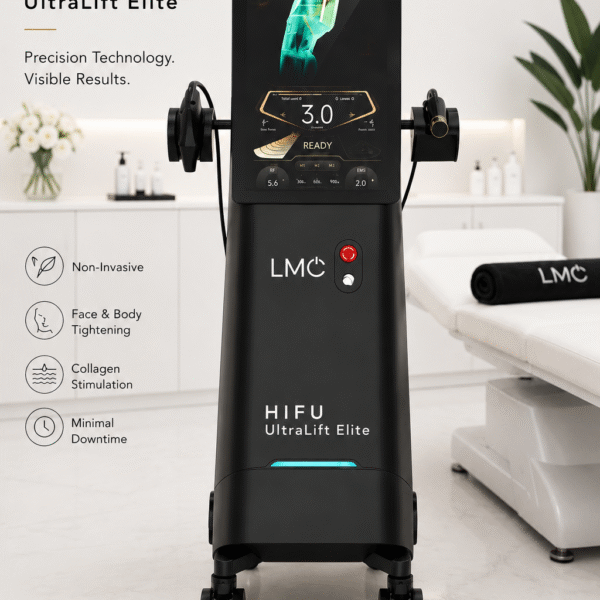
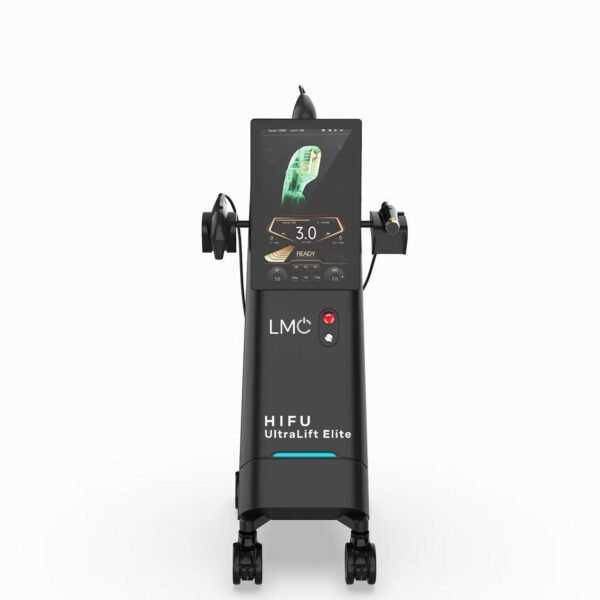
CMC HIFU

£2,999

Includes training & warranty

The CMC HIFU is the entry point into the range — a 7D HIFU system covering facial and body treatment depths. It's a compact desktop unit suited to clinics adding HIFU as a complementary treatment alongside their existing services, or practitioners starting out with non-surgical lifting and wanting a capable machine at an accessible price point.

7D HIFU Face & Body Desktop Unit Training Included

Ideal for: Clinics adding HIFU as a first non-surgical lifting treatment, or practitioners wanting to test demand before investing in a higher-spec system

View CMC HIFU →
Most Popular

DUAL CAPABILITY · HIFU + RF MICRONEEDLING

CMC HIFU & RF Microneedling Dual

£4,999

Includes training & warranty

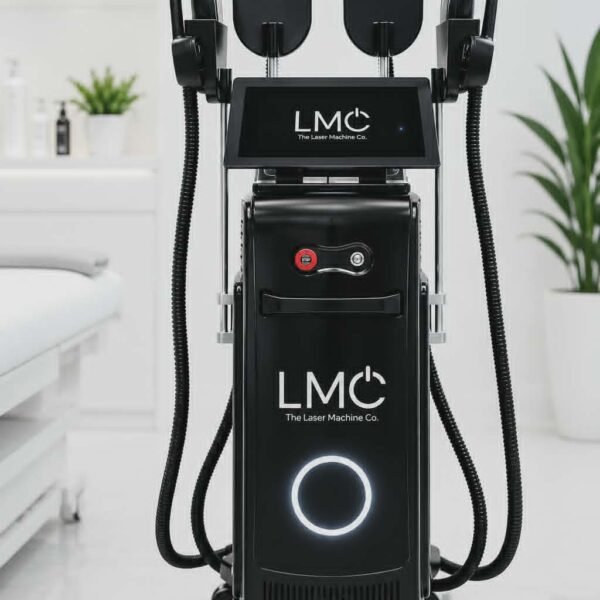
The dual system combines 7D HIFU with RF microneedling in a single unit — two of the most in-demand non-surgical skin treatments from one machine. HIFU targets deeper structural lifting; RF microneedling addresses skin texture, scarring, pore size, and superficial tightening at the dermal level. Offering both creates a more complete anti-ageing treatment menu and a clear upgrade pathway for clients who've had HIFU and want to address texture concerns.

7D HIFU RF Microneedling Dual Treatment Capability Two Revenue Streams

Ideal for: Clinics wanting to build a comprehensive non-surgical facial treatment menu without the cost of two separate machines

View CMC HIFU & RF Microneedling Dual →

PROFESSIONAL · HIGH VOLUME

CMC HIFU Vertical Model

POA

Includes training & warranty

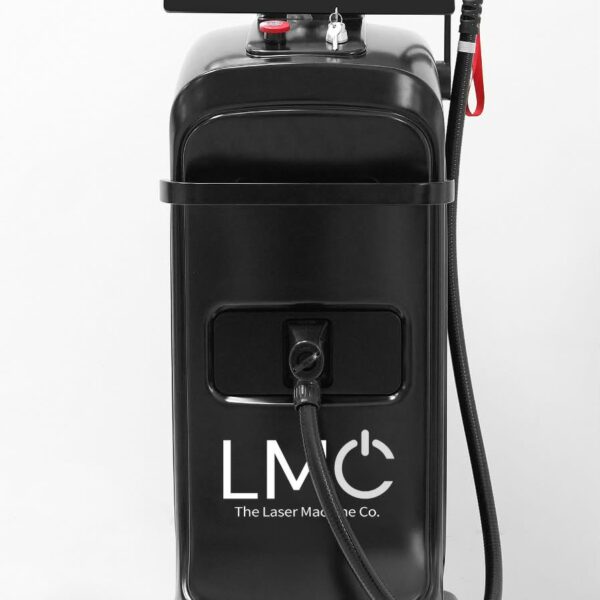
The floor-standing vertical HIFU system for clinics running higher treatment volumes. The larger form factor houses more powerful electronics and delivers faster treatment speeds — better suited to clinics where HIFU is a primary revenue treatment and treatment throughput is a priority. If you're running 5+ HIFU sessions per day, the vertical model is built for that cadence.

7D HIFU Floor-Standing High Volume Face & Body

Ideal for: Established clinics where HIFU is a core revenue treatment and throughput demands a higher-powered system

View CMC HIFU Vertical Model →

Finance is available on all CMC machines. The CMC HIFU & RF Microneedling Dual works out at approximately £143/month over 36 months — typically covered by two HIFU sessions. WhatsApp us or call 07367 197080 to discuss options.

Want to See the CMC HIFU in Action?

We run free demo calls over Zoom — see the machine working, ask technical questions, get transparent pricing. No pressure.

Video/Zoom calls available UK-wide  ·  In-person visits welcome at our Rossendale clinic

HIFU vs RF Microneedling vs Ultherapy

How the main non-surgical lifting technologies compare for a clinic offering

If you're building a non-surgical facial treatment menu, HIFU doesn't sit in isolation. Here's how it compares to the other technologies your clients will be researching:

HIFU vs RF Microneedling

These are complementary rather than competing technologies. HIFU targets deeper structural layers (dermis, SMAS) for lifting. RF microneedling works in the upper to mid dermis for skin texture, pore size, scarring, and superficial tightening. They work at different depths and produce different primary results — which is why the dual system combining both is often the most commercially sensible choice for a clinic.

Recommendation: If budget allows, the dual HIFU + RF microneedling system covers both treatment depths from a single machine and lets you build a two-stage client treatment protocol — HIFU for lifting, RF microneedling for texture and quality.

HIFU vs Ultherapy

Ultherapy is the brand-name HIFU system that pioneered the non-surgical lifting category and holds FDA clearance. It's genuinely effective and carries strong clinical evidence. It's also significantly more expensive — Ultherapy machines cost £30,000–£60,000, and the consumable cartridge cost per treatment is substantial. For clinics at the high-end medical aesthetics level where the Ultherapy brand name has direct marketing value, this premium makes sense. For most independent UK clinics, a well-specified professional 7D HIFU system delivers comparable clinical results at a fraction of the equipment investment.

Recommendation: Unless your clinic specifically markets Ultherapy by name and charges accordingly, the professional 7D HIFU systems in the £3,000–£8,000 range offer strong value for money.

HIFU vs radiofrequency (non-needling)

Surface and monopolar RF devices (like Thermage) use radiofrequency energy to heat the dermis for tightening. They work well for superficial skin quality but cannot reach the SMAS depth that HIFU targets. Results tend to be more gradual and require more frequent maintenance treatments. HIFU typically produces more dramatic lifting results with a single treatment course.

Recommendation: RF and HIFU are not direct competitors — they serve overlapping but distinct client needs. A clinic offering both can position them at different price points and for different indications.

Red Flags When Buying a HIFU Machine

What to watch for before you commit

Cartridge shot count not disclosed

If a supplier can't or won't tell you how many shots each cartridge is rated for, that's a significant red flag. Budget cartridges rated at 3,000 shots look identical to professional cartridges rated at 15,000 shots from the outside — the difference only becomes apparent after you've started treating clients and find yourself replacing cartridges every few weeks.

Cartridge replacement costs hidden until after purchase

The machine purchase price is only part of the cost picture for HIFU. Cartridge replacements are ongoing. Ask for the replacement cost of every cartridge included with the machine before signing anything. Some budget suppliers sell machines cheaply then charge £60–£120 per cartridge for 3,000-shot consumables — a running cost that substantially erodes your treatment margin.

No live demonstration available

A supplier confident in their HIFU machine will show it working on a real client or model — either in person or over a video call. If the only demonstration material is marketing photos and before/after images that can't be verified as coming from the specific machine, be cautious. HIFU results are highly dependent on machine quality; you need to see the machine treating before you buy it.

Unrealistic results claims

Claims of "instant facelift" or "surgical results without surgery" should prompt scepticism — both about the supplier's honesty and about what they're actually selling. HIFU produces real, clinically validated results within defined parameters. Overpromising sets up client disappointment and undermines your clinic's reputation. A supplier who markets their machines honestly is more likely to back them up with honest after-sales support.

No UK after-sales support

HIFU machines have electronic components, handpiece connections, and transducer elements that can fail. If the supplier has no UK-based engineering support, every technical issue means a potentially multi-week international repair turnaround. For a machine generating £400+ per session, a fortnight of downtime is a significant revenue loss.

Training not included or not hands-on

HIFU treatment requires understanding of facial anatomy, contraindication assessment, depth selection for different areas, and parameter adjustment for different skin types. Training should be included as standard and should cover practical application on real skin — not just a manual or video course. Inadequately trained practitioners produce poor results and risk client injury.

ROI and Business Case for UK Clinics

HIFU is one of the highest-revenue treatments in the aesthetic space — here's what the numbers look like

HIFU commands among the highest session prices in non-surgical aesthetics. Clients are paying for a treatment category that previously required surgery or significantly more invasive procedures — and the price reflects that. Here's what the UK market looks like in 2026:

UK session price benchmarks

Treatment Typical UK Price Treatment Time Sessions per Year
Full face HIFU £300–£600 60–90 min 1–2
Face & neck HIFU £400–£700 75–105 min 1–2
Face, neck & décolletage £500–£800 90–120 min 1–2
Body HIFU (abdomen) £300–£500 45–60 min 2–3
RF Microneedling (face) £200–£400 45–60 min 3–4

Payback period — CMC HIFU (£2,999)

At £350 average per full face treatment:

Sessions to recoup full machine cost: 9 sessions

At 4 sessions/month: payback in under 3 months

Even accounting for cartridge costs, consumables, and practitioner time, HIFU has one of the fastest equipment ROI profiles in the non-surgical aesthetic space.

Payback period — CMC HIFU & RF Microneedling Dual (£4,999)

Two revenue streams from one machine:

HIFU sessions at £350 average + RF microneedling at £250 average

At 2 HIFU + 3 RF microneedling sessions/week: ~£2,450/week gross

At that volume, payback on the machine is achieved in approximately 2 weeks of operation. Even at a fraction of that volume, the dual machine pays for itself rapidly.

The recurring revenue angle

Unlike some treatments that clients do once, HIFU and RF microneedling generate strong repeat bookings. HIFU clients typically return annually for maintenance; RF microneedling clients book 3–4 sessions per year for ongoing skin quality. A client completing an annual HIFU + quarterly RF microneedling protocol at market rates is worth £800–£1,400/year in recurring revenue from a single acquisition.

Frequently Asked Questions

The questions we hear most from UK clinic owners researching HIFU

What is a 7D HIFU machine?

7D HIFU refers to a generation of HIFU systems offering multiple treatment cartridge depths — typically seven or more depth/frequency combinations covering everything from superficial dermis (1.5mm) through to deep body treatment (13mm+). The designation originally indicated expanded multi-depth capability and faster treatment speeds compared to earlier HIFU systems. It's now used broadly across the professional market. When evaluating a "7D HIFU" machine, the key questions are: how many cartridges are included, what is the shot count per cartridge, and what does cartridge replacement cost.

How much does a professional HIFU machine cost in the UK?

Professional 7D HIFU machines for UK clinics range from £2,999 for an entry desktop system to £15,000+ for high-volume professional floor-standing units. Medical-grade brand-name systems like Ultherapy cost £30,000–£60,000. The CMC HIFU starts at £2,999 and the dual HIFU + RF microneedling system is £4,999 — both include training and a UK warranty.

What qualifications do I need to perform HIFU in the UK?

HIFU is currently unregulated in England — there is no statutory qualification requirement to operate a HIFU machine. However, most professional liability insurers require practitioners to hold relevant training from an accredited provider to be covered. In Scotland and Wales, licensing requirements differ. Regardless of regulatory minimum, proper training in HIFU is essential — understanding contraindications, facial anatomy, and depth selection directly affects both results and client safety. Training is included with all CMC HIFU machines.

How long does a HIFU treatment take?

A full face HIFU treatment on a professional 7D machine typically takes 45–75 minutes. Adding the neck extends this to 60–90 minutes; including the décolletage takes 75–120 minutes. Older HIFU machines fire significantly more slowly and can take considerably longer for the same coverage. Treatment time per session directly affects your daily client capacity and is worth clarifying with any supplier before purchase.

How often do HIFU cartridges need replacing?

This depends entirely on your treatment volume and the cartridge's rated shot count. A professional cartridge rated at 10,000 shots, used at an average of 600 shots per treatment, lasts approximately 16–17 full face treatments. At 4 treatments per week that's roughly one month per cartridge. Cartridge replacement cost is an important part of your per-treatment cost calculation — always establish this before buying the machine.

When do clients see results from HIFU?

Most clients notice some immediate effect from the thermal response in tissue — typically mild tightening — on the day of treatment. The primary results come from collagen and elastin remodelling, which takes 4–12 weeks to fully develop. Clients should be advised to expect peak results at 8–12 weeks, with results lasting 12–18 months before a maintenance treatment is recommended. Setting these expectations clearly at consultation prevents disappointment from clients expecting immediate surgical-level results.

Can HIFU treat all skin types?

Yes — HIFU is generally safe across all Fitzpatrick skin types. Unlike laser treatments, ultrasound energy is not absorbed by melanin, so skin colour is not a primary contraindication. The main contraindications are in the treatment area rather than skin type: metal implants (including some dental work in facial treatment areas), pacemakers, active skin infections, open wounds, and pregnancy. A thorough consultation should cover all contraindications before any HIFU treatment.

What's the difference between HIFU and RF microneedling?

They work at different depths and produce complementary results. HIFU uses focused ultrasound to target the deep dermis and SMAS layer — primarily for structural lifting. RF microneedling uses radiofrequency energy delivered via needles to the mid-dermis — primarily for skin texture, scarring, pore size, and superficial tightening. Many clinics offer both: HIFU for lifting and structural work, RF microneedling for skin quality and texture. The CMC HIFU & RF Microneedling Dual combines both in a single machine.

Is HIFU better than Ultherapy?

Ultherapy is a high-quality, well-evidenced HIFU system with FDA clearance and strong brand recognition in the medical aesthetics market. Professional 7D HIFU systems from reputable suppliers deliver comparable clinical results for most treatment indications at significantly lower equipment and consumable costs. The Ultherapy premium is partly genuine quality and partly brand value — relevant in high-end medical clinics where clients specifically request it, less relevant for independent aesthetics practices where the treatment outcome is what matters to the client.

See the CMC HIFU in Action Before You Buy

No obligation — just an honest conversation about what's right for your clinic

We're happy to show you the machines working over Zoom, walk through the cartridge specs and replacement costs in full, or have you visit us in Rossendale for a hands-on look. If you're still comparing options or working out whether HIFU is the right addition to your menu, we'll give you straight answers — including if something else makes more sense for where your clinic is.

OPTION 1

Book a Demo Call

Video or Zoom with Alex or Dawn. See the machines, get honest answers. UK-wide.

Book Demo Call →

OPTION 2

Visit Us in Rossendale

Based in Lancashire or nearby? Come see the machines working in person.

Arrange a Visit →

OPTION 3

Request a Quote

Know what you want? Call or WhatsApp and we'll come back to you fast.

WhatsApp Us →

THE LASER MACHINE CO · CONTACT

WhatsApp: Message us here
Location: 538 Burnley Rd, Rossendale BB4 8NE
Uncategorized

Diode Laser Hair Removal Machine UK

If you're researching professional hair removal machines for your clinic, diode laser comes up almost immediately — and for good reason. It's the dominant technology in the UK professional market, used in everything from independent salons to dedicated laser clinics, and the results it delivers across a wide range of skin and hair types have made it the go-to choice for most practitioners.

But "diode laser" covers a wide range of machines. A £2,000 machine and a £15,000 machine can both carry that label. Understanding what actually separates them — and what specs matter for your clinic — is the difference between a purchase that pays back in months and one that creates headaches for years.

This guide covers everything UK clinic owners need to know about professional diode laser hair removal machines: how the technology works, what specs matter, how diode compares to IPL and other technologies, and what the best options look like at different price points — including our own range with transparent pricing.

How Diode Laser Hair Removal Actually Works

The science behind the treatment — and why it matters for buying decisions

Diode lasers emit a single, concentrated wavelength of light — typically 808nm, though some machines also offer 755nm (alexandrite) and 1064nm (Nd:YAG) wavelengths as secondary modes. That 808nm wavelength sits in a sweet spot: it's absorbed strongly by melanin (the pigment in hair follicles) while passing through the surrounding skin tissue with relatively low absorption.

When the laser pulse fires, melanin in the hair shaft and follicle absorbs the energy and converts it to heat. That heat damages the follicular stem cells responsible for hair regrowth — a process called selective photothermolysis. The goal is to heat the follicle enough to inhibit regrowth without damaging the surrounding dermis.

This is why the anagen (active growth) phase matters: hair follicles are only vulnerable when they're actively growing, because that's when the melanin concentration in the follicle is highest and the connection between the follicle and its blood supply is most direct. Follicles in the telogen (resting) phase are largely unaffected by the treatment. This is why multiple sessions spaced 4–8 weeks apart are required — each session targets the follicles that are in anagen at that time.

The role of cooling

Effective cooling is integral to how diode systems work — not just a comfort feature. The epidermis (outer skin layer) contains melanin too, which means it also absorbs laser energy. Without cooling, the skin surface would heat up along with the follicle, causing burns, hyperpigmentation, and pain. Contact cooling — where a chilled sapphire tip (typically cooled to between 0°C and 5°C) presses against the skin immediately before and during the pulse — protects the epidermis while allowing the follicle to absorb the full treatment energy.

This is one reason why cooling system quality is a key differentiator between budget and professional diode machines. A well-engineered cooling system enables higher fluence (energy per unit area), faster treatment, and more comfortable sessions — all of which affect your results and client retention.

Standard mode vs SHR (in-motion)

Most professional diode machines offer two treatment modes:

  • Standard mode: Single pulses delivered stationary to each area. Higher fluence per pulse. Better for coarse hair and areas requiring precision.
  • SHR (Super Hair Removal) / in-motion mode: The handpiece glides across the skin at a rapid repetition rate (typically 5–10Hz), delivering multiple lower-fluence pulses to each follicle cumulatively. Faster for large areas like legs and back, gentler for sensitive clients, and better tolerated on tanned skin.

Both modes work. The best machines offer both, giving you flexibility to select the right approach for each client and treatment area.

Diode vs IPL vs SHR vs Nd:YAG

An honest comparison of the four main hair removal technologies

Diode is not the only professional hair removal technology, and understanding where it sits relative to the alternatives is important before committing to a purchase. Here's a straight assessment of each:

Diode (808nm) — the professional standard for most clinics

The most widely deployed technology in UK professional settings. 808nm is highly effective across Fitzpatrick skin types I–V, penetrates to the right follicle depth for most body and facial hair, and the technology is mature enough that quality components are well-understood. Machines range from £3,500 to £18,000+ depending on specification. No ongoing consumable costs — this is a significant operational advantage over IPL.

Verdict: The right choice for most independent UK clinics. Broad skin type coverage, no consumables, proven results, accessible price range.

IPL (Intense Pulsed Light) — cheaper upfront, more expensive to run

IPL emits a broad spectrum of light (typically 500–1200nm) filtered to a treatment range, rather than a single focused wavelength. Machines are cheaper — £1,500–£6,000 for professional models — but the lack of wavelength precision means less targeted energy delivery to the follicle. IPL is generally less effective on darker skin tones (Fitzpatrick IV+) and finer hair, requires more sessions to achieve comparable results to diode, and carries ongoing lamp replacement costs of £200–£600 per lamp at every 30,000–100,000 shots. Over three years of regular use, the consumable costs can substantially erode the upfront price advantage.

Verdict: Better suited to multi-treatment platforms where IPL is one of several modalities, or lower-volume clinics treating predominantly lighter skin tones. Not the best standalone hair removal choice for a busy clinic.

SHR — a delivery method, not a separate technology

SHR (Super Hair Removal) is often marketed as a distinct technology but is better understood as an in-motion delivery method that can use diode, IPL, or other light sources. When you see "SHR machine" in the market, you need to check what light source is actually inside. The best professional SHR machines use diode as the source, offering the in-motion benefits (speed, comfort, large areas) with diode's precision. Most quality diode machines include an SHR mode alongside standard pulse mode.

Verdict: Not a separate buying decision from diode — look for a diode machine that includes SHR mode, rather than a "pure SHR" machine that may be IPL-based.

Nd:YAG (1064nm) — essential for darker skin tones

The 1064nm wavelength penetrates deeper and is absorbed less by melanin in the epidermis, making it significantly safer for Fitzpatrick V–VI skin types where diode at 808nm carries a meaningful risk of post-inflammatory hyperpigmentation. If a significant proportion of your client base has darker skin — particularly relevant for clinics in urban areas with diverse populations — Nd:YAG capability is important. The downside: Nd:YAG is generally slower and requires higher fluence for equivalent results on lighter skin types. Dual machines that combine 808nm diode with 1064nm Nd:YAG offer full skin type coverage from a single system.

Verdict: Essential if your client base includes Fitzpatrick V–VI. Consider a dual diode/Nd:YAG system rather than diode alone if this applies to your clinic.

Technology Skin Types Consumables Speed Entry Cost
Diode 808nm I–V None Fast £3,500
IPL I–III Lamps £200–£600 Moderate £1,500
Diode SHR mode I–V None Very fast Included in diode
Nd:YAG 1064nm I–VI None Moderate £5,000

The Specs That Actually Matter When Buying

What to ask every supplier before you commit to anything

Supplier marketing materials are full of numbers. Most of them don't tell you much. These are the specs that actually determine how a diode machine performs in clinical use:

1. Peak power (wattage)

The peak power of the diode module — measured in watts — determines the maximum energy per pulse the machine can deliver. Higher wattage enables higher fluence (energy density), which translates to more effective treatment of coarser hair and faster sessions. Professional machines typically run 800W–1600W. Budget machines quoting "1200W" may be quoting peak power from a lower-quality diode bar that degrades quickly — always ask about the diode bar manufacturer alongside the wattage figure.

2. Fluence range (J/cm²)

Fluence is the energy delivered per unit area of skin — measured in joules per square centimetre. Most professional treatments for body hair require fluence in the range of 10–60 J/cm² depending on skin type and hair colour. A machine that maxes out at 30 J/cm² limits your ability to treat more challenging cases effectively. Check the maximum fluence, and check whether it's achievable at the spot sizes you'll actually use day-to-day.

3. Spot size

Spot size is the area of skin illuminated by each pulse — measured in cm². Larger spot sizes mean more skin covered per pulse, directly reducing treatment time. A 12cm² spot on the back completes the same area 3× faster than a 4cm² spot. Professional machines for body treatments should offer a large spot option (10–15cm²) alongside a smaller spot for facial work (2–5cm²). Some machines offer interchangeable spot sizes; others are fixed.

4. Repetition rate (Hz)

How many pulses per second the machine can deliver in SHR/in-motion mode. Higher repetition rates (8–10Hz) allow faster gliding speeds during in-motion treatments, covering more skin per minute. At 3Hz you're constrained to a slow, deliberate pace; at 10Hz the treatment flows quickly. For large area treatments (full legs, back, chest), repetition rate has a significant impact on the time per session and therefore your throughput.

5. Cooling system type and temperature

Contact cooling (sapphire tip chilled to 0°C–5°C) is the standard on professional machines. Some machines add in-motion air cooling alongside contact cooling. The temperature range matters — a tip that only cools to 10°C provides meaningfully less epidermal protection than one reaching 0°C, particularly when treating higher fluence on skin types III–V. Always ask for the cooling temperature specification, not just that "contact cooling is included."

6. Shot lifespan

The diode bar — the core component — degrades with use. Shot lifespan tells you how many pulses the machine is rated for before the handpiece or bar needs replacing. Professional machines are typically rated 10–20 million shots. Budget machines may quote 1–3 million. At 500 shots per session, a 5-million-shot machine reaches end of component life after roughly 10,000 sessions. Always ask what shot lifespan is guaranteed and what the handpiece or bar replacement cost is.

7. Diode bar manufacturer

This is the question most suppliers don't want to answer directly. The diode bar is the heart of the machine. Premium bars from manufacturers like Coherent, II-VI (now Coherent), or Jenoptik maintain output consistency over their rated lifespan and degrade gracefully. Cheaper bars from unspecified manufacturers may output correctly when new but lose power significantly within 12–18 months of regular use. If a supplier can't tell you who manufactured the diode bar, that's informative.

Skin Type Suitability and Treatment Considerations

Understanding Fitzpatrick skin types and how they affect diode treatment

The Fitzpatrick scale classifies skin into six phototypes based on melanin content and UV response. It's the standard framework for assessing laser hair removal suitability and risk. Here's how diode at 808nm performs across the scale:

Fitzpatrick Type Description Diode 808nm Suitability Notes
I–II Very fair to fair, burns easily Excellent High contrast between skin and hair. Best results.
III Medium, tans gradually Very good Standard treatment parameters. Common UK skin type.
IV Olive/light brown, rarely burns Good with care Adjust fluence. Cooling more critical. Patch test essential.
V Brown, tans easily Caution required Lower fluence, longer pulse width, thorough cooling. PIH risk.
VI Dark brown/black Not recommended High PIH and burn risk. Use Nd:YAG 1064nm instead.

Hair colour considerations

Diode laser — like all laser hair removal technologies — requires melanin in the hair to absorb the energy. This has a direct implication for treatment suitability by hair colour:

  • Black and dark brown hair: Excellent results. High melanin content means maximum energy absorption.
  • Medium brown hair: Good results across most skin types.
  • Light brown or auburn hair: Reasonable results, may require more sessions.
  • Blonde hair: Limited efficacy. Reduced melanin means reduced energy absorption. Manage client expectations clearly.
  • Red hair: Generally poor results. Pheomelanin (red pigment) absorbs poorly at 808nm.
  • Grey or white hair: Laser hair removal is not effective. No melanin to absorb treatment energy.

⚠ Consultation and patch testing

A proper consultation and patch test before every new client's first full treatment is both a clinical requirement and an insurance condition for most UK practitioners. The consultation should assess Fitzpatrick type, hair colour, recent sun exposure, and any medications that increase photosensitivity (isotretinoin, certain antibiotics). Never skip this, regardless of how straightforward the client appears.

LMC Diode Laser Machines

Our diode range — with transparent pricing and honest assessments

We supply three machines that include professional diode laser hair removal capability. All prices include initial training and a UK warranty. Here's exactly where they sit and who each one is right for:

Most Popular

DEDICATED · HAIR REMOVAL

LMC Diode Lux Pro

£8,999

Includes training & warranty

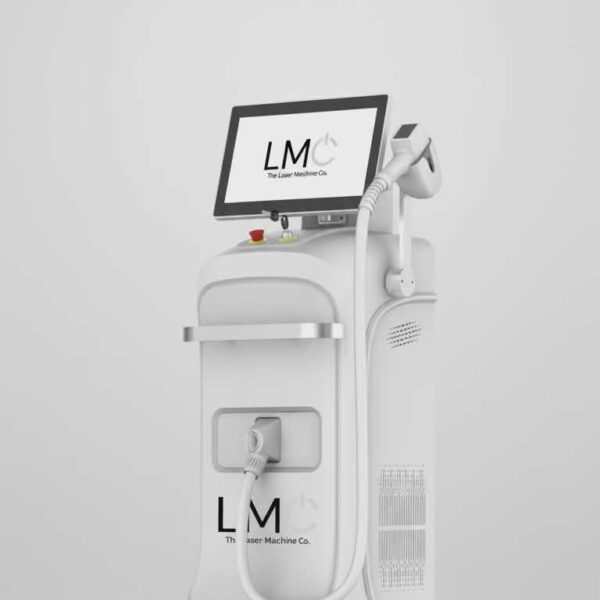
The Diode Lux Pro is our dedicated 808nm diode hair removal machine, built for clinics that want to run hair removal as a serious revenue service. It runs both standard and SHR in-motion modes, features contact cooling, and handles Fitzpatrick I–V skin types across all body areas — face through full legs. This is the right machine if hair removal is your primary or secondary service and you want a dedicated system for it.

808nm Diode Standard + SHR Modes Contact Cooling Fitzpatrick I–V Training Included

Ideal for: Independent clinics and salons making laser hair removal a core revenue treatment

View LMC Diode Lux Pro →

DUAL CAPABILITY · TATTOO + HAIR REMOVAL

LMC Dual Lux Pro

£8,999

1200w diode · 1600w available at £10,999

The Dual Lux Pro combines a Nd:YAG module (1064nm/532nm for tattoo removal) with a 1200w diode module (808nm for hair removal) in one desktop system. If you want to offer both treatments without buying two separate machines, this is the practical route. The Nd:YAG component also extends hair removal capability to Fitzpatrick V–VI where diode alone carries higher risk. A 1600w diode variant is available for higher fluence output at £10,999.

808nm Diode 1200w Nd:YAG 1064nm / 532nm Fitzpatrick I–VI Two Revenue Streams

Ideal for: Clinics wanting both tattoo removal and hair removal capability without buying two machines

View LMC Dual Lux Pro →

PREMIUM · DUAL CAPABILITY

LMC Vertical Dual Lux Elite

£16,999

Includes training & warranty

The floor-standing version of the dual system with higher output across both the diode and Nd:YAG modules. Built for busier clinics where high treatment volume demands a more robust, higher-powered system. The vertical form factor suits dedicated treatment room layouts and delivers more headroom on fluence for both hair removal and tattoo treatments.

High Output Diode High Output Nd:YAG Floor-Standing Fitzpatrick I–VI

Ideal for: Established clinics with high treatment volume looking for a flagship system

View LMC Vertical Dual Lux Elite →

Finance is available on all machines — from around £258/month over 36 months on the Diode Lux Pro. See our finance page or WhatsApp us to discuss options.

Want to See the Diode Lux Pro in Action?

We run free demo calls over Zoom — you can see the machine working, ask technical questions, and get actual prices. No pressure, no script.

Video/Zoom calls available UK-wide  ·  In-person visits welcome at our Rossendale clinic

Diode Laser Machine Price Ranges in the UK

What different price points actually get you in 2026

Professional diode laser machines for UK clinics span a wide price range. Here's what each band realistically delivers:

Price Band Range What You Get Suited To
Entry £1,500–£4,000 Low-powered diode or IPL-based SHR, limited spot sizes, basic cooling, shorter shot life Very low volume, home-based practitioners
Mid-range £4,000–£7,000 Professional diode with standard and SHR modes, contact cooling, multiple spot sizes Clinics starting out or adding hair removal alongside existing services
Professional £7,000–£15,000 High-powered diode (800w–1600w), large spot sizes, robust cooling, long shot lifespan, UK support Established clinics running consistent hair removal volume
Premium £18,000–£50,000+ Brand-name medical-grade systems (Candela GentleMax, Lumenis Splendor X, Cynosure Elite) High-volume medical aesthetic clinics where brand recognition matters to clients

The LMC Diode Lux Pro sits firmly in the professional band at £8,999 — high-powered, UK-supported, with training included. For most independent UK clinics, this range offers the best value: the specifications needed for clinical results without the brand premium that pushes the Candela and Lumenis systems beyond what the ROI typically justifies for a non-medical-grade clinic setting.

The £18,000+ medical-grade market exists and delivers quality — but the premium is partly brand recognition that matters in high-end medical aesthetics, not just machine performance. A well-specified £9,000 professional diode machine from a reputable supplier delivers clinically comparable hair removal results.

Red Flags When Buying a Diode Laser Machine

What to watch for before you sign anything

Wattage quoted without diode bar specification

"1200W diode" tells you the peak power claim. It doesn't tell you whether that's from a quality diode bar that will maintain output over millions of shots, or a lower-grade component that degrades within 18 months. Ask for the diode bar manufacturer — a supplier confident in their components will tell you without hesitation.

No UK-based service support

When a machine needs servicing or a component fails, you need someone who can actually fix it without a 6–8 week overseas turnaround. Ask specifically: "Is there a UK-based engineer? What is the typical repair turnaround time? What is the cost of a handpiece replacement?" If the answers are vague, factor in the realistic risk of extended downtime.

Shot lifespan not stated or suspiciously high

Budget machines sometimes quote "unlimited shots" — which typically means the manufacturer isn't prepared to stand behind a specific lifespan figure, or the quoted figure is theoretical peak rather than practical clinical use. Ask for the rated shot lifespan in writing, and ask what the handpiece replacement cost is when it's reached.

Training not included or surface-level only

Initial training should be included as standard and should cover practical operation on real skin — not just a PDF manual and a YouTube link. If training costs extra or isn't hands-on, factor that into the total purchase cost. Operating without proper training is both a safety issue and an insurance risk.

No CE documentation available

Class 3B and Class 4 laser devices require appropriate conformity documentation for legal use in UK clinical settings. Ask for the Declaration of Conformity — a legitimate supplier will have it ready. If it can't be produced, the machine's regulatory status for professional UK clinical use is unclear.

Fluence specs only quoted at small spot sizes

A machine that quotes "up to 120 J/cm²" but only achieves that at a 1cm² spot size is misleading you. Maximum fluence typically drops significantly as spot size increases. Ask: "What is the maximum fluence at the spot sizes I'll actually use for full leg treatments?" That's the number that matters for day-to-day clinical work.

ROI and Business Case for UK Clinics

What the revenue numbers actually look like for laser hair removal

Laser hair removal is one of the most financially productive treatments a UK clinic can offer. Session prices are high relative to treatment time, clients return for multiple sessions across a course, and the machines are long-lived. Here's a realistic look at the numbers:

UK session price benchmarks (2026)

Area Typical UK Price Treatment Time Sessions per Course
Upper lip £40–£60 5–10 min 6–8
Underarms £50–£80 10–15 min 6–8
Bikini / Brazilian £60–£100 15–25 min 6–8
Half legs £70–£100 20–30 min 6–8
Full legs £90–£150 35–50 min 6–8
Full back (male) £100–£200 30–45 min 6–8

Payback period — LMC Diode Lux Pro (£8,999)

CONSERVATIVE

8 sessions/week

Avg. value: £80

Monthly revenue: ~£2,560

Payback: ~3.5 months

MODERATE

15 sessions/week

Avg. value: £90

Monthly revenue: ~£5,400

Payback: ~2 months

These are gross revenue figures — deduct running costs (insurance, consumables, practitioner time) for net. A realistic net margin on laser hair removal for a sole practitioner runs at 60–70%, making it one of the highest-margin treatments in the aesthetic space.

The recurring revenue model is particularly strong: a client completing a 6-session full leg course at £120/session generates £720 over a single treatment cycle, with annual top-up sessions thereafter. Client retention in laser hair removal is high because the treatment cycle creates an ongoing relationship and the results are visible. One well-looked-after client is worth far more than their first session fee.

Frequently Asked Questions

Answers to the questions we hear most from UK clinic owners

What is a diode laser hair removal machine?

A diode laser hair removal machine uses a semiconductor diode to generate a focused beam of laser light, typically at 808nm wavelength. That wavelength is absorbed by melanin in the hair follicle, generating heat that damages the follicle and inhibits regrowth — a process called selective photothermolysis. Diode at 808nm is the dominant professional hair removal technology in the UK due to its effectiveness across most skin types, speed, and lack of ongoing consumable costs.

How does diode laser compare to IPL for professional use?

Diode laser emits a single focused wavelength, IPL emits a broad spectrum. Diode is more precise, more effective across a wider range of skin types (I–V vs IPL's I–III), and has no consumable costs. IPL machines are cheaper upfront but incur lamp replacement costs and require more sessions for comparable results. For most professional UK clinics making hair removal a core service, diode is the better long-term choice.

How much does a professional diode laser machine cost in the UK?

Professional diode laser machines for UK clinics typically range from £4,000–£15,000. The LMC Diode Lux Pro is £8,999 including training and warranty. Medical-grade brand-name systems (Candela, Lumenis) cost £18,000–£50,000+. For most independent clinics, the professional band (£7,000–£15,000) delivers clinical results without the brand premium that's difficult to justify at lower treatment volumes.

What skin types can diode laser treat?

808nm diode laser is suitable for Fitzpatrick skin types I–V. Type VI (very dark skin) is not recommended with standard diode at 808nm due to the elevated risk of post-inflammatory hyperpigmentation — Nd:YAG at 1064nm is the appropriate technology for this skin type. If your client base includes a significant proportion of Fitzpatrick V–VI, consider a dual diode/Nd:YAG machine like the LMC Dual Lux Pro for full skin type coverage.

Does diode laser work on all hair colours?

No. Diode laser requires melanin in the hair to absorb the treatment energy. Dark hair (black and dark brown) responds best. Light brown and auburn hair produces reasonable results. Blonde, red, and grey/white hair is largely unresponsive — there's insufficient melanin for the laser to target effectively. This should be clearly communicated to clients during consultation.

How many sessions does a client need?

Most clients require 6–8 sessions spaced 4–8 weeks apart for significant lasting hair reduction. Each session targets follicles in the active growth (anagen) phase — since only a proportion of follicles are in anagen at any one time, multiple sessions are necessary to address all follicles across a treatment area. Results vary by hair colour, skin type, treatment area, and hormonal factors. Most clients book annual top-up sessions after their initial course.

What qualifications do I need to use a diode laser machine in the UK?

Most professional liability insurers require practitioners to hold a Level 4 qualification in laser/IPL (or equivalent) to treat clients independently. In England, laser hair removal is currently unregulated by the CQC for lower-powered devices, but insurance requirements effectively set the training standard. Scotland and Wales have different licensing frameworks. Always check your specific insurance requirements and the regulatory position in your region before purchasing and operating equipment.

What's the difference between standard mode and SHR mode?

Standard mode fires single high-fluence pulses at stationary positions across the treatment area — better for precision and for coarser hair. SHR (Super Hair Removal) mode delivers multiple lower-fluence pulses while the handpiece moves across the skin at 5–10 pulses per second, accumulating energy in the follicle over multiple passes. SHR is faster for large areas, gentler for sensitive clients, and generally better tolerated on darker skin tones. The best professional machines offer both modes, allowing you to select the right approach for each treatment.

How long do professional diode laser machines last?

A well-maintained professional diode machine should provide 7–12 years of clinical service. The diode bar — the core component — is typically rated for 10–20 million shots on professional machines. At 500 shots per session, a 10-million-shot rating equates to roughly 20,000 sessions before the bar needs replacing. Budget machines with lower-grade bars may need handpiece replacement significantly earlier. Always check the shot lifespan specification and handpiece replacement cost before buying.

Can I offer both tattoo removal and hair removal with one machine?

Yes — dual systems like the LMC Dual Lux Pro combine Nd:YAG (for tattoo removal at 1064nm/532nm) with diode (for hair removal at 808nm) in a single system. This is a practical choice for clinics that want two revenue streams without the cost of two separate machines. The Nd:YAG component also adds full skin type coverage for hair removal on Fitzpatrick V–VI clients.

See the Machines in Action Before You Buy

No obligation — just an honest conversation about what's right for your clinic

We're happy to run through the specs in detail, show you the Diode Lux Pro working over Zoom, or have you in for an in-person visit at our Rossendale clinic. If you're still comparing options, we'll give you honest answers — including if something else is a better fit for your situation.

OPTION 1

Book a Demo Call

Video or Zoom with Alex or Dawn. See the machines, get honest answers. UK-wide.

Book Demo Call →

OPTION 2

Visit Us in Rossendale

Based in Lancashire or nearby? Come see the machines working in person.

Arrange a Visit →

OPTION 3

Request a Quote

Know what you want? Send a WhatsApp and we'll come back to you fast.

WhatsApp Us →

THE LASER MACHINE CO · CONTACT

WhatsApp: Message us here
Location: 538 Burnley Rd, Rossendale BB4 8NE
Uncategorized

Laser Machine Finance UK

Buying a professional laser machine is one of the bigger financial decisions a clinic makes. Whether you're looking at a £3,999 Nd:YAG entry machine or a £16,999 dual system, paying the full amount upfront isn't the only option — and for most independent clinics, it isn't the right one either.

This guide covers every finance route available to UK clinic owners buying laser or aesthetic equipment in 2026: how each option works, what it actually costs, what lenders look for, and how to work out whether monthly payments make sense for your business before you commit to anything.

We'll also be straight about what LMC offers — and where other routes might work better for your situation.

Why Finance Often Makes More Sense Than Paying Upfront

It's not just about not having the cash — there's a genuine business case for spreading the cost

The instinct is to pay outright if you can. No debt, no interest, no monthly obligation. But for equipment that generates recurring revenue, that logic doesn't always hold up.

Consider a clinic buying an £8,999 diode laser. If they pay cash, they've tied up nearly £9,000 of working capital in a single asset. That's money that can't be used for marketing, staffing, another treatment offering, or covering a slow month. If the machine generates £2,000/month in additional revenue from month one, they've effectively borrowed £9,000 at 0% from their own business — and spent 4–5 months just getting back to zero.

With finance at a reasonable rate, that same clinic pays roughly £250–£300/month over 36 months. The machine starts generating revenue from week one. The monthly repayment is covered by fewer than three hair removal sessions. Working capital stays intact.

Finance makes particular sense when:

  • The machine will generate enough monthly revenue to cover repayments comfortably
  • You have other uses for your cash (marketing, renovation, staffing)
  • You're buying equipment that will last 7–10+ years — spreading cost over 3–4 years is rational
  • You want to preserve an emergency fund rather than emptying it on equipment
  • Tax treatment of monthly payments works in your favour (interest may be deductible)

When paying cash is better: if you have surplus funds sitting idle, the interest cost of finance exceeds what that money would otherwise earn, and you have no better use for the capital. For most growing clinics, that scenario is rare.

Finance Options Available to UK Clinics

Five routes to funding laser equipment — with honest assessments of each

1. Supplier finance

Some equipment suppliers, including LMC, offer finance arrangements directly. You pay a deposit, agree a term (typically 12–48 months), and pay the balance in fixed monthly instalments. The main advantage is simplicity — one conversation, one relationship. The main disadvantage is that rates may not be as competitive as specialist lenders, and terms vary significantly between suppliers.

Best for: Buyers who want simplicity and are comfortable with the supplier's terms. Always check the total amount repayable and APR — not just the monthly payment.

2. Hire purchase (HP)

You pay a deposit then fixed monthly payments over an agreed term, typically 24–60 months. At the end of the term, you own the machine outright (sometimes after a small option-to-purchase fee). The machine acts as the security for the loan, which makes approval more accessible for businesses that don't have significant assets. Interest is fixed, so your monthly payments don't change. HP is usually arranged through specialist asset finance brokers or your business bank.

Best for: Most clinics buying equipment they intend to keep long-term. The most common route for aesthetic equipment purchases in the UK.

3. Finance lease

With a lease, you pay to use the machine but never own it. Monthly payments are typically lower than HP, and at the end of the primary lease period you either extend, upgrade to a new machine, or return it. The leasing company claims capital allowances rather than you, which means you can't offset the asset cost against tax — though the lease payments themselves are deductible as a business expense. Leasing suits clinics that want to upgrade equipment regularly or prefer to keep assets off the balance sheet.

Best for: Clinics that plan to upgrade equipment every 3–5 years, or those where lower monthly payments are a priority. Total cost over five years usually exceeds the machine's value.

4. Business loan

An unsecured or secured business loan from a bank or alternative lender covers the full purchase cost, which you then repay over an agreed term. Unlike HP, you own the machine from day one and the loan isn't tied to the asset. Interest rates on unsecured business loans are typically higher than asset finance (8–25% APR depending on your profile), and approval depends more heavily on business trading history and personal credit. Providers include high street banks, Funding Circle, Iwoca, and Tide.

Best for: Established businesses with strong credit who want flexibility, or clinics buying multiple items and wanting a single loan rather than multiple asset finance agreements.

5. 0% credit card / personal finance

For smaller machine purchases (£2,000–£5,000), a 0% purchase credit card or personal loan can be a legitimate route — particularly for sole traders or new businesses without trading history for a business loan. A 0% card with a 20–24 month window effectively gives you interest-free finance if cleared in time. The risk: if not cleared before the 0% period ends, the revert rate (typically 20–30% APR) kicks in on the remaining balance.

Best for: Sole traders or new businesses buying lower-cost machines who are confident they can clear the balance within the 0% window.

What Finance Actually Costs — Worked Examples

Real numbers across different machine prices and term lengths

Monthly payment figures are what suppliers lead with, but the number that matters is the total amount repayable — the machine price plus all interest over the term. These examples use a representative 10% APR, which is achievable for most established UK businesses with decent credit through asset finance.

Machine Price Deposit (10%) 24 months 36 months 48 months Total repayable (36m)
£3,999 £400 £164/mo £115/mo £91/mo ~£4,540
£5,999 £600 £245/mo £172/mo £136/mo ~£6,792
£8,999 £900 £368/mo £258/mo £204/mo ~£10,188
£10,999 £1,100 £450/mo £315/mo £249/mo ~£12,440
£16,999 £1,700 £695/mo £487/mo £385/mo ~£19,232

⚠ These are indicative figures only

Actual rates depend on your business credit profile, trading history, and the lender's assessment. Rates for new businesses or those with adverse credit history will be higher. Always get a formal quote with the APR clearly stated before signing anything.

The real cost of finance

On a £8,999 machine over 36 months at 10% APR, you'll pay approximately £1,189 in interest — about 13% of the machine's value. That's the cost of preserving £8,100 in working capital for three years. Whether that's worth it depends entirely on what else you'd do with that cash and how quickly the machine generates returns.

The key question isn't "can I afford the interest?" — it's "does the additional revenue the machine generates justify both the repayments and the interest cost?" In almost every realistic scenario for an active clinic, the answer is yes.

What Lenders Look For — and How to Improve Your Chances

Understanding the approval process before you apply

Asset finance lenders are generally more accessible than unsecured lenders because the machine itself is the security — they can repossess it if you stop paying. That said, approval isn't guaranteed. Here's what they assess:

Business credit profile

Lenders check your business credit report (via Experian Business, Creditsafe, or Dun & Bradstreet). They're looking for: no CCJs against the business, no history of late payments to suppliers, and no recent credit applications that suggest financial stress. If your business is a limited company, the report reflects the company's history. Sole traders are assessed on personal credit as well.

Trading history

Most asset finance lenders prefer businesses with at least 12 months of trading history. Some will consider newer businesses with a strong personal credit profile and a reasonable deposit (typically 20–30% rather than 10%). Brand new businesses (under 6 months) will find mainstream lenders difficult — see the bad credit / new business section below.

Affordability

Lenders want to see that the monthly repayment is affordable relative to your business income. If your business turns over £2,000/month and you're applying for £400/month in repayments, that's a high debt-to-income ratio. Being able to demonstrate existing revenue — ideally with bank statements — strengthens your application considerably.

Deposit

A larger deposit reduces lender risk and improves approval chances. Standard deposits are 10%, but offering 20–25% upfront can be the difference between approval and decline, particularly for businesses with thinner credit files.

How to improve your chances before applying

  • Check your business credit report before applying — fix any errors first
  • Ensure your business address and registration details are up to date at Companies House
  • Have 3–6 months of business bank statements ready
  • Avoid multiple credit applications in a short period — each hard search affects your score
  • Use a broker who can do a soft search first (no credit impact) to identify the best lender for your profile

LMC Machines Available on Finance

Every machine in our range with indicative monthly payments

Finance is available on all LMC and CMC machines. Monthly figures below are indicative at 10% APR over 36 months with a 10% deposit — your actual rate depends on your application.

ENTRY · TATTOO REMOVAL

LMC ND:YAG Pro 4

£3,999

From ~£115/mo over 36 months

The entry-level Nd:YAG for clinics starting out with tattoo removal. Capable 1064nm/532nm system at the most accessible price point in the range.

Ideal for: New clinics adding tattoo removal as a first laser treatment

View LMC ND:YAG Pro 4 →

MID-RANGE · TATTOO REMOVAL

LMC ND:YAG PRO X Android

£5,999

From ~£172/mo over 36 months

The upgraded Nd:YAG with Android touchscreen interface, higher output, and improved control over treatment parameters. A step up for clinics that need more precision or higher volume capability.

Ideal for: Established clinics upgrading from an entry system or starting with a higher-spec machine

View LMC ND:YAG PRO X →
Most Popular

PROFESSIONAL · HAIR REMOVAL

LMC Diode Lux Pro

£8,999

From ~£258/mo over 36 months

808nm diode laser for professional hair removal across Fitzpatrick I–V skin types. Standard and SHR in-motion modes, contact cooling, multiple spot sizes. The most popular hair removal machine in the LMC range.

Ideal for: Clinics adding laser hair removal as a core revenue treatment

View LMC Diode Lux Pro →

DUAL CAPABILITY · TATTOO + HAIR REMOVAL

LMC Dual Lux Pro

£8,999

From ~£258/mo over 36 months

Nd:YAG (1064nm/532nm) combined with 1200w diode in a single system. Two revenue streams from one machine and one monthly payment. The 1600w diode variant is available at £10,999.

Ideal for: Clinics wanting to offer both tattoo removal and hair removal without buying two machines

View LMC Dual Lux Pro →

PREMIUM · DUAL CAPABILITY

LMC Vertical Dual Lux Elite

£16,999

From ~£487/mo over 36 months

The high-output floor-standing dual system. Higher wattage across both modules, built for busy clinics running consistent treatment volume. Finance makes the most sense on this machine — spreading £16,999 over 36–48 months keeps monthly costs manageable against the revenue it generates.

Ideal for: Established clinics with high treatment volume ready to invest in a flagship machine

View LMC Vertical Dual Lux Elite →

WhatsApp us to discuss finance options on any machine — we'll give you a straight answer on what's available and help you work out which route makes sense for your situation.

Want to Talk Through Finance Options?

We can walk you through what's available, give you indicative monthly payments, and help you work out whether the numbers make sense for your clinic — no obligation.

Video/Zoom calls available UK-wide  ·  In-person visits welcome at our Rossendale clinic

Finance With Bad Credit or a New Business

It's harder, but there are realistic options

Adverse credit or limited trading history makes mainstream asset finance harder to access, but it doesn't close off every route. Here's what's realistic:

Higher deposit

Offering 25–40% upfront rather than 10% significantly reduces lender exposure. Some specialist lenders will approve applications with adverse credit if the deposit is large enough. This isn't ideal if cash preservation is the goal, but it may be the only route that works.

Specialist adverse credit lenders

There are UK asset finance brokers who specifically work with businesses that have had CCJs, defaults, or limited credit history. Rates will be higher (15–25% APR is common), and terms may be shorter. The monthly payment will be steeper, but the option exists. Searching for "adverse credit asset finance UK" or "bad credit equipment finance" will surface brokers in this space — always check they're FCA-authorised.

Start with a lower-cost machine

If finance on a £10,000 machine isn't accessible right now, starting with the LMC ND:YAG Pro 4 at £3,999 — paid outright or on a smaller finance agreement — lets you start generating revenue and building a trading track record. After 12 months of solid trading, mainstream finance on a larger machine becomes much more accessible.

Personal guarantee

For limited companies with thin credit files, many lenders will approve finance if a director provides a personal guarantee — meaning the individual is personally liable if the business defaults. This isn't something to sign without understanding the implications, but it's a common route for newer businesses buying equipment on credit.

Finance Red Flags to Watch For

What to look out for before you sign a finance agreement

Monthly payment quoted without APR

If a supplier or broker leads with a monthly payment but won't clearly state the APR, that's a sign the total cost is something they'd rather you didn't calculate. Always ask: "What is the APR on this agreement, and what is the total amount repayable?" If they can't answer clearly, walk away.

Balloon payments buried in the small print

Some lease agreements have a large final "balloon" payment to retain or purchase the equipment at the end of the term. This keeps monthly payments lower but means you owe a lump sum at the end. Make sure you understand the full payment schedule before signing, including what happens at end of term.

Pressure to finance a machine you haven't verified

Some suppliers use finance as a way to move machines quickly — framing the conversation around "only £X per month" before you've had a chance to evaluate whether the machine is the right one. The finance decision and the machine decision should be separate. Don't let favourable payment terms push you into a machine that doesn't suit your clinic.

Early repayment penalties

If your business does well and you want to pay off the finance agreement early, some lenders charge significant penalties. Check the early repayment terms before signing. HP agreements are generally more flexible here than finance leases.

Unregulated brokers

Business finance brokers in the UK don't always need to be FCA-authorised, but those arranging credit agreements for sole traders do. Check the FCA register before using any broker — if they're arranging finance and not on the register, you have fewer protections if something goes wrong.

Does the Machine Pay for Itself? Working Out Your ROI

The calculation every clinic should run before committing to finance

Finance only makes sense if the machine generates enough revenue to cover the repayments — ideally from the first month of operation. Here's a simple framework for working that out before you apply:

The finance sense-check

Step 1: What is the monthly repayment on the finance agreement?

e.g. £258/month on an £8,999 machine over 36 months

Step 2: What will you charge per treatment session?

e.g. £80 per hair removal session

Step 3: How many sessions do you need per month to cover the repayment?

£258 ÷ £80 = 3.2 sessions

Step 4: Is that realistic in month one, even conservatively?

Most clinics book 8–20+ sessions per month within the first few weeks. 3–4 sessions to cover repayments is a very low bar.

Worked examples by machine

Machine Monthly payment (36m) Sessions to break even/mo At 15 sessions/mo profit
ND:YAG Pro 4 (£3,999) ~£115 2 sessions @ £80 ~£1,085/mo net
Diode Lux Pro (£8,999) ~£258 4 sessions @ £80 ~£942/mo net
Dual Lux Pro (£8,999) ~£258 3 sessions @ £100 ~£1,242/mo net
Vertical Dual Lux Elite (£16,999) ~£487 5–6 sessions @ £100 ~£1,013/mo net

Net figures assume £80–£100 average session value and don't account for consumables, insurance, or practitioner time. Even with those deducted, the margin on laser treatments is strong — typically 60–75% net after running costs for a sole practitioner.

Frequently Asked Questions

The questions we get asked most about financing laser equipment

Can I finance a laser machine as a new business?

It's harder but not impossible. Most mainstream asset finance lenders prefer 12+ months of trading history. If you're brand new, options include a higher deposit (25–40%), a personal guarantee, supplier finance which may have more flexible criteria, or starting with a lower-cost machine you can buy outright to build your trading history first.

What deposit do I need for laser machine finance?

Typically 10% for established businesses with good credit. If your credit profile is thinner or you have some adverse history, lenders may require 20–30% to reduce their exposure. A larger deposit also gives you access to better interest rates in most cases.

What's a typical interest rate for aesthetic equipment finance?

For established UK businesses with decent credit, asset finance rates typically run 7–12% APR. Newer businesses or those with some adverse credit history will be looking at 12–20% APR. Anything above 25% should prompt you to look at alternative routes — either a higher deposit to access better rates, or a different finance structure.

Is it better to lease or buy on hire purchase?

For most independent clinics buying a machine they plan to keep for 7–10 years, hire purchase is better — you own the machine at the end and can claim capital allowances on the asset. Leasing makes more sense if you want lower monthly payments, plan to upgrade regularly, or prefer to keep equipment off your balance sheet. The total cost of leasing over five years almost always exceeds the machine's value, so factor that in.

Can I pay off the finance early?

Usually yes, but check the terms first. Hire purchase agreements generally allow early settlement — you'll pay the remaining capital plus a reduced interest charge. Finance leases are less flexible; some have significant early termination fees. Always ask about early repayment before signing.

Does taking finance affect my credit score?

The application will involve a hard credit search, which temporarily affects your score. Once the agreement is in place and you make payments on time, it will build your business credit profile positively. Missing payments will have the reverse effect. Don't make multiple finance applications in a short period — each hard search reduces your score and makes subsequent lenders warier.

What happens if the machine breaks down while I'm still paying for it?

Your obligation to repay the finance continues regardless of the machine's condition — the finance agreement is separate from the machine warranty. This is why machine warranty and after-sales support matters: a broken machine with 18 months of payments left is a significant problem. Always check what warranty is included and what UK service support looks like before buying. LMC includes a warranty with all machines and provides UK-based support.

Can I finance multiple machines at once?

Yes. Many clinics build out their treatment menu by financing machines sequentially — one machine to start generating revenue, then a second once the first is established. You can also finance multiple machines simultaneously through a single asset finance agreement, which simplifies administration. Lenders will assess combined affordability across all agreements.

Do I need to tell my insurer I've financed the machine?

Yes, and it's important. Your professional liability insurer needs accurate information about the equipment you're using — how it was financed doesn't typically affect your premium, but some insurers require disclosure. More importantly, if you're using a finance lease (rather than HP), the lender technically owns the machine — your insurer needs to know this to ensure the right parties are covered in the event of loss or damage.

Ready to Talk Numbers?

We'll give you straight answers on finance options — no pressure, no scripts

Whether you're ready to apply or just working out whether the numbers stack up, we're happy to talk it through. We can give you indicative monthly payments on any machine, explain what finance routes are typically available for your situation, and let you see the machines over a Zoom call before you commit to anything.

OPTION 1

Book a Demo Call

Video or Zoom with Alex or Dawn. See the machines, discuss finance, get honest answers. UK-wide.

Book Demo Call →

OPTION 2

Visit Us in Rossendale

Based in Lancashire or nearby? Come in, see the machines in person, and talk it all through face to face.

Arrange a Visit →

OPTION 3

WhatsApp Us

Know which machine you're interested in? Message us and we'll come back quickly with payment options.

WhatsApp Us →

THE LASER MACHINE CO · CONTACT

WhatsApp: Message us here
Location: 538 Burnley Rd, Rossendale BB4 8NE
Uncategorized

Dual Laser Machines: Tattoo & Hair Removal in One System

Dual Laser Machines: Everything UK Clinics Need to Know

Buying one machine that does two things well — or two machines that each do one thing better

A dual laser machine — one system combining both tattoo removal and laser hair removal — is one of the most commercially attractive pieces of equipment a UK clinic can invest in. Two revenue streams, one capital outlay, one footprint on the treatment room floor.

But the pitch is seductive, and the market is full of machines that compromise on both rather than excelling at either. This guide cuts through the noise: what dual laser machines actually are, how the technology works, what to expect at each price point, which types of clinic genuinely benefit from one, and where buying two separate machines is the better call.

All prices quoted are for professional-grade equipment sold in the UK, inclusive of training and warranty. No finance-only pricing, no import estimates.

What Is a Dual Laser Machine?

Two laser systems in one chassis — but not all are built the same way

A dual laser machine houses two distinct laser technologies in a single unit. In the context of tattoo removal and laser hair removal, the combination is almost always:

  • ND:YAG (Q-switched or Pico) — the gold standard for tattoo removal, operating at 1064nm and 532nm wavelengths. Delivers high-energy nanosecond or picosecond pulses that shatter tattoo ink without damaging surrounding tissue.
  • Diode laser — the preferred technology for permanent hair removal, typically 808nm or 755/808/1064nm triple-wavelength. Works by targeting melanin in the hair follicle to disable growth over a course of sessions.

These two systems are physically integrated into one machine — sharing a housing, a power source, a screen, and often a common handpiece dock — but they operate independently. Switching between tattoo removal and hair removal is a matter of selecting the mode and attaching the relevant handpiece. You are not using both simultaneously.

The practical benefit is straightforward: one machine on the treatment room floor, one service agreement, one operator learning curve, and a much lower combined capital cost than purchasing two separate professional-grade devices.

Important distinction: combined vs. hybrid

Some manufacturers advertise machines as "dual" when they are actually a single ND:YAG system with a hair removal attachment that uses the same laser at modified settings. This is not the same as a true dual system with a dedicated diode module. A genuine dual machine has two independent laser sources — check this in the spec sheet before buying.

How the Technology Works

ND:YAG for tattoo removal, diode for hair removal — two fundamentally different mechanisms

ND:YAG for tattoo removal

Q-switched ND:YAG lasers deliver energy in nanosecond bursts — billionths of a second. This ultra-short pulse duration is what makes tattoo removal possible: the ink particles absorb the energy and shatter into smaller fragments that the body's lymphatic system can then clear. Surrounding tissue absorbs minimal energy because the pulse is too brief to generate significant heat transfer.

The 1064nm wavelength targets darker inks (black, dark blue, dark green). The 532nm wavelength — produced by passing the 1064nm beam through a KTP crystal — targets red, orange, yellow, and lighter inks. Professional machines include both wavelengths and allow you to switch between them.

Picosecond ND:YAG machines deliver pulses measured in trillionths of a second, which is more effective on resistant inks and requires fewer sessions — but they cost significantly more. For most clinic setups, Q-switched is the practical starting point.

Key spec to check: fluence (energy density, measured in J/cm²) and spot size. Higher fluence at a given spot size means more energy on target. Machines that quote only maximum fluence without spot size information should be approached with scepticism.

Diode for laser hair removal

Diode lasers work on the principle of selective photothermolysis — targeting melanin (the pigment) in the hair follicle without damaging the surrounding skin. The laser heats the follicle to a temperature that disables or destroys its ability to produce new hair.

808nm is the standard diode wavelength for hair removal. It penetrates to the depth of the hair follicle and is absorbed effectively by eumelanin — the pigment in darker hair. Triple-wavelength diode systems (755nm + 808nm + 1064nm) extend the treatment range to lighter hair types and darker skin tones.

Key specs to check: output power (watts), spot size, repetition rate (Hz), and whether the handpiece has contact cooling. Higher wattage allows faster treatment of large areas. Cooling is critical — it protects the epidermis during hair removal and is non-negotiable in a professional setting.

Why these two technologies pair well

ND:YAG and diode serve entirely different client profiles and appointment types. Tattoo removal clients come in every 6–8 weeks for shorter sessions. Hair removal clients come in monthly for longer treatment times. They share a treatment room and machine but rarely the same appointment slot — meaning the dual machine is genuinely utilised across a wider portion of your working week than a single-purpose machine would be.

UK Price Ranges for Dual Laser Machines

What you actually get at £5,000, £9,000, and £11,000+

The dual laser machine market in the UK spans roughly £5,000 to £30,000+ for professional-grade equipment. The majority of clinic-ready options with proper certification, training, and warranty sit in the £8,000–£15,000 range. Here's what to expect at each tier.

ENTRY LEVEL · £3,000–£6,000

This bracket mostly contains ND:YAG-only machines with a basic hair removal attachment, or low-power diode units paired with a budget ND:YAG. Output power on the hair removal side tends to be limited (under 500W), restricting treatment times on larger body areas. Suitable for very light use or practitioners exploring the market, but unlikely to sustain a full treatment schedule without client complaints about efficacy.

Caution: Machines at this price point are frequently sold without CE marking, insurance-compatible documentation, or genuine UK supplier support. Verify before purchase.

MID-RANGE · £7,000–£12,000

The most commercially practical tier for most UK clinics entering dual laser services. Proper Q-switched ND:YAG with 1064nm/532nm, paired with a dedicated diode module of 500W–1,200W. Includes contact cooling, adequate fluence for most skin types, and — from reputable UK suppliers — training and insurance-compatible certification.

Best for: Clinics new to laser services, tattoo studios adding removal, salons expanding into laser hair removal with a secondary tattoo removal offering.

PROFESSIONAL · £12,000–£20,000+

High-output diode (1,200W–1,600W+) with a full-spec ND:YAG, triple-wavelength hair removal capability, large spot size handpieces for faster body treatments, and the build quality expected for sustained clinical use. Vertical systems at this tier offer ergonomic advantages for busy multi-therapist environments.

Best for: Established clinics scaling laser services, multi-therapist environments, practices where laser is a primary revenue driver rather than a secondary offering.

The LMC Dual Laser Range

Two machines built for UK clinics — both include training and warranty

The Laser Machine Co supplies two dual laser systems: the Dual Lux Pro (available in 1200w and 1600w variants) and the Vertical Dual Lux Elite. All prices below are inclusive of operator training and a full warranty — there is no hidden setup fee or additional certification cost.

MID-RANGE · DUAL LASER

LMC Dual Lux Pro 1200w

£8,999

Includes training & warranty

A Q-switched ND:YAG (1064nm/532nm) combined with a 1200w diode hair removal system. This is the entry point into genuine dual laser capability — not a single machine with an attachment, but a properly integrated two-technology system. Handles the full range of common tattoo colours and suits most hair removal clients on lighter to medium skin tones.

ND:YAG 1064nm / 532nm Diode 1200w Contact cooling

Ideal for: Clinics entering laser services for the first time, tattoo studios adding removal alongside hair removal

View LMC Dual Lux Pro 1200w →
MOST POPULAR

MID-HIGH · DUAL LASER

LMC Dual Lux Pro 1600w

£10,999

Includes training & warranty

The same Q-switched ND:YAG system as the 1200w, paired with a higher-output 1600w diode module. The increased wattage allows faster treatment of larger body areas — full legs, backs, and similar — without extending session times to the point where they affect your schedule. The preferred choice for clinics where hair removal is the primary laser revenue stream and tattoo removal is complementary.

ND:YAG 1064nm / 532nm Diode 1600w Contact cooling Large spot handpiece

Ideal for: Clinics where laser hair removal is a core service, multi-therapist setups, established practices scaling capacity

View LMC Dual Lux Pro 1600w →

PROFESSIONAL · DUAL LASER

LMC Vertical Dual Lux Elite

£16,999

Includes training & warranty

The flagship dual system in the LMC range. A vertical-format machine — tower-mounted rather than desktop — with the full ND:YAG spec alongside a high-output diode module designed for sustained clinical use. The vertical format improves ergonomics in busy treatment rooms, reduces handpiece cable management issues, and signals a clinical-grade setup to clients. Built for environments where both laser services are high-volume.

ND:YAG 1064nm / 532nm High-output diode Vertical tower format Clinical grade

Ideal for: High-volume laser clinics, multi-therapist setups, practices where both tattoo removal and hair removal are primary services

View LMC Vertical Dual Lux Elite →

Not sure which dual laser system is right for your clinic?

We can walk you through both options on a free demo call — see the machines in action and ask the questions that matter before committing.

Video/Zoom calls available UK-wide  ·  In-person visits welcome at our Rossendale clinic

Which Clinics Benefit from a Dual Laser Machine?

The honest answer — and the cases where it is the wrong choice

A dual laser machine makes commercial sense in specific situations. In others, it is the wrong investment.

Good fit

Tattoo studios adding removal

A tattoo studio already has a client base with tattoos. Some of those clients will want removal or lightening for cover-up work. Adding hair removal alongside creates a genuinely complementary second service without requiring a new client acquisition strategy.

Beauty salons diversifying into laser

A salon already offering waxing or threading has clients who are natural prospects for laser hair removal. Adding tattoo removal with the same machine allows the business to serve both audiences without doubling its equipment spend.

PMU and SMP practitioners

Permanent makeup artists and scalp micropigmentation practitioners frequently need to lighten or remove their own previous work. A dual laser machine lets them offer removal in-house while also building a hair removal revenue stream alongside their primary service.

Clinics with limited floor space

One machine instead of two is a meaningful advantage in a compact treatment room. Dual laser frees up space that would otherwise be occupied by separate units and their associated cable and handpiece storage.

Practitioners qualifying in both services simultaneously

If you are completing training in both tattoo removal and laser hair removal at the same time, a dual machine allows you to begin both services immediately rather than staging two separate equipment purchases.

Not a good fit

Clinics where one service is dominant

If 90% of your revenue will come from laser hair removal, a dedicated high-power diode machine will outperform a dual system at a similar price point. You pay for the ND:YAG module you rarely use, and the diode spec is often a compromise. The same applies in reverse.

High-volume hair removal operations

A busy laser hair removal clinic running 8–10 appointments a day needs maximum diode output and the fastest possible treatment speeds. A 1,600W diode in a dual machine is good; a standalone 2,000W+ diode machine is better for this use case.

Resistant ink or complex tattoo removal specialists

If you intend to build a reputation around difficult tattoo removal — multi-coloured, layered, or heavily saturated work — a dedicated picosecond ND:YAG system will deliver better clinical outcomes than the Q-switched modules in most dual machines. The dual laser is a practical all-rounder, not a specialist tool.

Dual Machine vs. Two Separate Machines

A direct comparison — cost, performance, scheduling, and risk

This is the question most buyers get to eventually. Here is a straightforward breakdown.

Factor Dual Machine Two Separate Machines
Capital cost £8,999–£16,999 £12,000–£25,000+ (combined)
Floor space One machine footprint Two machine footprints
Performance ceiling Competent on both; specialist on neither Best-in-class on both if specified correctly
Scheduling One machine = cannot run both services simultaneously Two machines = two therapists can treat at the same time
Downtime risk One machine down = both services unavailable One machine down = other service continues
Service agreements One contract, one relationship Two contracts, potentially two suppliers
Best for Starting out, limited capital, limited space Scaling an established laser business

The scheduling point is worth dwelling on. With one dual machine, you cannot treat a tattoo removal client in room 1 while a therapist does a full-leg hair removal in the same room at the same time. For most small clinics this is not an issue — but it becomes a constraint as your appointment book fills. If you reach the point where the machine is booked out, you will need either a second machine or a service choice.

For the majority of clinics starting or growing their laser offering, a dual machine is the right call. For an established, high-volume operation, two dedicated machines is worth the additional capital.

Hidden Costs and Running Expenses

What the machine price does not always include

The machine price is never the whole number. Factor in the following when building your business case.

Training — included or extra?

All LMC machines include training as part of the purchase price. Not every supplier does — some quote a machine price and then add £500–£2,000 for the course. Verify upfront what is included. Insurance providers require Level 4 Core of Knowledge plus Level 5 specialist qualifications for laser operators in the UK — basic product training from a supplier does not meet this requirement on its own.

Consumables

Laser hair removal handpieces have a shot lifespan — typically 5–10 million shots on diode systems. Replacement handpieces cost £500–£2,000 depending on the model. Factor this into your per-treatment cost calculation, particularly on high-volume hair removal workloads.

Protective eyewear

Laser-specific protective goggles — both for the operator and the client — are mandatory. You need wavelength-appropriate lenses for the specific lasers in your machine. Budget £50–£200 for operator OD-rated goggles; disposable client shields are a few pence each but a recurring cost.

Cooling gels and topical products

Ultrasound gel or cooling gel is typically applied during treatment. At scale, this is a real cost. Budget approximately £0.20–£0.50 per treatment for consumable products.

Insurance uplift

Adding laser services to your insurance policy will increase your annual premium. The exact uplift varies by insurer and policy type, but budget for a meaningful increase and verify your insurer accepts your machine's certification documentation before purchasing.

Compliance requirements

Wales requires clinic registration with Healthcare Inspectorate Wales. Certain London boroughs require Special Treatment Licences. Check your local authority requirements — and those of any authority where you plan to operate — before starting to offer laser services.

Finance Options

Spreading the cost across 24 or 36 months

All LMC machines are available on finance through Ideal4Finance. The structure is straightforward:

FINANCE TERMS

APR

15.9% fixed

Terms available

24 or 36 months

Optional deposit

£2,999

An optional £2,999 deposit reduces your monthly payments and the total amount repayable. Use the finance calculator on the finance page to see exact figures for each machine.

As a reference point: the LMC Dual Lux Pro 1600w at £10,999 over 36 months (no deposit) works out at approximately £380/month. A single full-leg laser hair removal appointment in the UK typically charges £80–£150. The machine pays for its monthly finance cost in 3–5 appointments.

Finance is a practical way to acquire equipment without depleting working capital. It also means the machine starts generating revenue before it is fully paid for — which changes the business case significantly compared to a single upfront payment.

Red Flags When Buying a Dual Laser Machine

What to watch out for in a market with significant quality variation

The laser equipment market has a long tail of low-quality suppliers, rebranded budget hardware, and outright misrepresentation. These are the signals to look for.

  • No CE marking or documentation

    CE certification is a baseline requirement for laser medical devices sold in the UK. If a supplier cannot provide the CE declaration of conformity or deflects when you ask, stop the conversation. Without it, your insurance will not cover you and you may be operating an unregistered medical device.

  • Quoted specs without documentation

    Any reputable supplier can provide a spec sheet. If a seller claims 1,600W output but cannot show you a manufacturer spec document with tested output figures, the number is marketing copy, not engineering fact.

  • Bank transfer only payment

    Legitimate suppliers accept card payments or finance arrangements with a proper credit agreement. A seller who insists on bank transfer only — particularly from an unfamiliar or recently registered business — is a meaningful risk. Use protected payment methods for any significant equipment purchase.

  • Training described as a half-day or online-only

    Insurance-compatible laser training requires in-person practical components with live models. Online-only certifications will not satisfy Hamilton Fraser, Balens, or equivalent UK aesthetic insurers. If the training offered with the machine is an online video course, it does not meet regulatory requirements.

  • No UK-based after-sales support

    When a machine develops a fault — and all machines eventually do — your ability to get it repaired quickly determines how much revenue you lose during downtime. A supplier with no UK service team means sending hardware to China and waiting 4–8 weeks. Ask explicitly: who services this machine if it develops a fault, where are they based, and what is the typical turnaround time?

  • "Dual" machine that is a single laser with an attachment

    As noted earlier — ask the supplier directly: does this machine have two independent laser sources, or is it one laser source with different handpieces? There is a meaningful clinical difference, and some suppliers deliberately obscure this in their marketing.

ROI: What the Numbers Look Like

A realistic worked example for the LMC Dual Lux Pro 1600w

The numbers below use UK market pricing and conservative appointment assumptions. They are intended as a planning reference, not a guarantee.

EXAMPLE — LMC DUAL LUX PRO 1600W AT £10,999

Laser hair removal — small area (lip/chin) £50–£80 per session
Laser hair removal — medium area (underarms, bikini) £80–£120 per session
Laser hair removal — large area (full legs) £120–£180 per session
Tattoo removal — small tattoo £80–£120 per session
Tattoo removal — medium tattoo £120–£200 per session

Scenario: 4 hair removal appointments per day at £100 average + 2 tattoo removal appointments at £100 average = £600/day combined revenue.

4 days per week: £2,400/week · £9,600/month.

Machine cost recovery: At £9,600/month gross, the £10,999 machine cost is recovered in approximately 5–6 weeks of steady trading.

These are not aggressive projections. A single therapist working part-time could generate £3,000–£4,000/month from a dual laser machine with a modest but consistent client base. At full capacity, the figure is considerably higher.

The more relevant question for most buyers is not payback period but monthly cash flow — particularly on finance. At £380/month (Dual Lux Pro 1600w, 36 months, no deposit), you need to generate £380 in revenue from the machine before it starts contributing profit. That is three or four hair removal sessions per month. The threshold is low.

Frequently Asked Questions

The questions we get most often about dual laser machines

Can I use a dual laser machine to treat all skin tones for hair removal?

Standard 808nm diode systems are suitable for Fitzpatrick skin types I–IV with appropriate settings. Treating type V–VI skin safely requires careful parameter control, significant experience, and — ideally — triple-wavelength capability (755/808/1064nm) which extends safe treatment range. If your client base includes predominantly darker skin tones, discuss this specifically when choosing a machine. Ask for the Fitzpatrick range in the spec documentation.

Do I need separate qualifications for tattoo removal and hair removal?

Yes. Tattoo removal and laser hair removal are treated as distinct specialisms by UK insurers and regulatory bodies. You need a Level 5 qualification in laser tattoo removal and a separate Level 5 in laser hair removal. Both sit on top of the Level 4 Core of Knowledge in laser/IPL. Training included with LMC machines covers both — but verify the scope of the qualification with your insurer before starting.

How many sessions does laser hair removal typically take?

Most clients need 6–10 sessions spaced 4–6 weeks apart for significant permanent reduction. The precise number depends on hair colour, hair thickness, skin tone, treatment area, and individual response to the laser. This session volume is what makes hair removal commercially attractive — multiple return visits per client, reliably scheduled.

How many sessions does tattoo removal typically take?

The range is wide: professional tattoos typically require 8–15 sessions; amateur tattoos often clear in 4–8. Ink colour, depth, density, client age, and immune response all affect the number. Black ink clears fastest. Multi-coloured, heavily saturated, or layered tattoos take longer and may not fully clear with a Q-switched system alone.

Is a dual laser machine suitable for SMP removal?

Yes — the ND:YAG module in a dual machine is used for SMP (scalp micropigmentation) removal in the same way it is used for tattoo removal. SMP typically clears in 2–3 sessions given the shallow ink placement and relatively low pigment density, making it a fast-turnaround service with a growing client base as more people seek to modify or remove previous SMP work.

Can one person operate a dual laser machine for both services on the same day?

Yes. Switching between modes requires selecting the appropriate setting and attaching the correct handpiece — it takes under a minute. There is no technical barrier to treating a tattoo removal client in one appointment and a hair removal client in the next. This is exactly how most dual machine operators run their schedules.

What maintenance does a dual laser machine require?

Routine maintenance includes cleaning handpieces and connectors, checking cooling water levels (on water-cooled systems), and ensuring filters are clear. Annual servicing by a qualified technician is standard practice. The diode handpiece has a finite shot life and will need replacement at intervals depending on usage volume — factor this into your running cost calculation.

What is the warranty on LMC dual laser machines?

All LMC machines include a warranty as part of the purchase price. Specific terms — duration, what is covered, and the service arrangement — are confirmed at point of purchase. Contact us directly to discuss the warranty detail for the specific machine you are considering.

Can I see the machines working before I buy?

Yes. You can book a video demo call with Alex or Dawn to see the machines in operation and ask any technical questions before committing. If you are based in Lancashire or the North West, you are also welcome to visit the Rossendale clinic in person — the machines are used daily in the working clinic, not just in a showroom.

Which dual laser machine is right for my clinic?

The short answer depends on your primary service and budget. The Dual Lux Pro 1200w suits clinics entering both services for the first time. The Dual Lux Pro 1600w is the better choice if hair removal will be your main revenue driver. The Vertical Dual Lux Elite suits high-volume, multi-therapist environments. The finance calculator on the LMC finance page lets you compare monthly costs for each machine side by side.

See the Machines in Action Before You Buy

No obligation — just an honest conversation about what's right for your clinic

All LMC dual laser machines are used daily in a working clinic — not sitting in a warehouse or showroom. When you book a demo, you see exactly how they perform in a real treatment setting. If a different machine is better suited to what you are trying to build, we will tell you.

OPTION 1

Book a Demo Call

Video or Zoom with Alex or Dawn. See the machines, get honest answers. UK-wide.

Book Demo Call →

OPTION 2

Visit Us in Rossendale

Based in Lancashire or nearby? Come see the machines working in person.

Arrange a Visit →

OPTION 3

Request a Quote

Know what you want? Send a WhatsApp and we'll come back to you fast.

WhatsApp Us →

THE LASER MACHINE CO · CONTACT

WhatsApp: Message us here
Location: 538 Burnley Rd, Rossendale BB4 8NE
Uncategorized

ND:YAG Laser for Tattoo Removal

ND:YAG Laser for Tattoo Removal: What Clinic Owners Actually Need to Know

Technology, specs, UK pricing, and how to choose the right machine for your clinic

If you're looking at adding tattoo removal to your clinic, you've almost certainly come across the term ND:YAG. It appears on almost every machine listing, in every training course description, and across every piece of manufacturer marketing in the industry. But what does it actually mean, how does it affect treatment outcomes, and more importantly — how do you know which ND:YAG system is worth investing in?

This guide cuts through the specification sheets and gives you a practical framework for understanding ND:YAG laser technology from a clinic owner's perspective. We'll cover how the technology works, what the specs mean in practice, UK pricing from entry-level to professional grade, what to look for and what to avoid, and how the LMC range compares across different clinic setups.

By the end, you'll have enough working knowledge to evaluate machines properly — not just take a supplier's word for it.

Key Specs to Understand Before Buying

What the numbers on the datasheet actually mean in practice

Machine specifications are frequently presented without context — suppliers list impressive-sounding numbers without explaining what they mean for treatment outcomes or clinic workflow. Here are the specs that actually matter, and what to look for.

Energy / Fluence (mJ and J/cm²)

Energy output is measured in millijoules (mJ) per pulse. Fluence (energy density) is measured in joules per square centimetre (J/cm²) — this is the figure that actually matters clinically, as it determines how much energy is delivered per unit of tissue. Fluence is affected by both energy output and spot size: the same energy through a smaller spot produces higher fluence.

For effective tattoo removal, you generally need to operate at fluences between 4–10 J/cm² for 1064nm (varying by skin type and tattoo characteristics). Professional Q-switched systems should be capable of reaching these fluences consistently. Entry-level machines with inadequate energy output can run sessions, but results will be slower and less complete.

Pulse Duration (nanoseconds / picoseconds)

Pulse duration determines how quickly the energy is delivered to the target. Q-switched ND:YAG systems operate in the nanosecond range (typically 5–10ns). Picosecond systems operate in the picosecond range (typically 300–750ps). Shorter pulse duration means more mechanical disruption of ink particles and less thermal spread to surrounding tissue — this is why pico systems tend to require fewer sessions for some ink types, particularly stubborn pigments. For a clinic starting out, Q-switched is the established, proven option and delivers excellent results across standard tattoo removal cases.

Repetition Rate (Hz)

Repetition rate is how many pulses per second the machine can fire, measured in hertz. Higher repetition rate means you can treat larger areas in less time. Entry-level machines typically operate at 1–2 Hz, which is workable but slow. Professional systems run at 5–10 Hz, meaningfully reducing treatment time on larger pieces. If you're treating full back pieces or sleeves, a 1 Hz machine will test both your patience and your client's.

Spot Size Range

Spot size refers to the diameter of the laser beam at the skin surface. Variable spot sizes allow you to adapt treatment to different tattoo sizes — smaller spots for fine detail and edges, larger spots for efficient coverage of solid fill areas. A machine with a fixed or limited spot size range restricts your technique and efficiency.

Shot Lifespan (Flash Lamp)

The flash lamp that pumps the ND:YAG crystal has a finite lifespan, typically quoted in millions of shots. Budget machines often use lamps rated at 1–5 million shots. Professional systems use lamps rated at 10–50 million shots. This matters for total cost of ownership: a machine with a 1 million shot lamp that costs £300 to replace, used at 100 shots per session across 10 sessions per week, will need its lamp replacing every two years. Factor this in when comparing upfront prices.

SPEC SUMMARY: WHAT PROFESSIONAL LOOKS LIKE

  • Energy: 1,000mJ+ at 1064nm (adequate for full fluence range)
  • Pulse duration: 5–10ns (Q-switched) or sub-1ns (pico)
  • Repetition rate: 5Hz minimum for practical clinic use
  • Spot size: Variable, minimum range 2–8mm
  • Flash lamp: 10 million shots minimum
  • Both wavelengths: 1064nm and 532nm as standard

The Two Wavelengths: 1064nm and 532nm Explained

Why you need both, and what each one does

The most important practical concept to understand about ND:YAG is that different wavelengths target different ink colours. No single wavelength removes all tattoo colours effectively — which is why a dual-wavelength machine is not a "nice to have" but a clinical requirement for a credible tattoo removal service.

1064nm — The Primary Wavelength

The 1064nm infrared wavelength is absorbed effectively by dark pigments — black and dark blue being the most responsive, with dark green responding reasonably well. It penetrates deeper into tissue, making it effective for ink deposited at varying dermal depths. It is also safer for darker skin tones because melanin in the epidermis absorbs less 1064nm energy than it does shorter wavelengths — reducing the risk of post-inflammatory hyperpigmentation in Fitzpatrick types IV–VI.

For most UK clinics, black ink tattoos represent the majority of removal caseload. This means 1064nm will be the wavelength used in most of your sessions. Consistent output at 1064nm — stable fluence, reliable pulse duration, and adequate energy — is the single most important performance factor in a tattoo removal machine.

532nm — The Frequency-Doubled Wavelength

The 532nm wavelength (KTP or frequency-doubled ND:YAG) targets warm-toned inks — red, orange, yellow, and some shades of purple. These colours are almost completely unresponsive to 1064nm, so without 532nm capability you cannot treat them at all. Red ink in particular is extremely common, and a machine that cannot address it significantly limits your scope of practice.

The 532nm wavelength is produced by passing the 1064nm beam through a KTP (potassium titanyl phosphate) crystal, which halves the wavelength. Because it is a secondary process, 532nm output is typically lower energy than 1064nm from the same machine. It also carries higher risk of epidermal damage on darker skin tones and should be used with appropriate Fitzpatrick screening protocols.

Wavelength Ink Colours Targeted Skin Tones Use Frequency
1064nm Black, dark blue, dark green Fitzpatrick I–VI ~80% of treatments
532nm Red, orange, yellow, purple Fitzpatrick I–III (caution IV+) ~20% of treatments

Some colours — certain greens, light blue, and turquoise — are notoriously difficult to remove with standard ND:YAG alone. Alexandrite (755nm) is more effective on these. If your client base is likely to include complex multi-colour tattoos with teal and light blue, it is worth factoring this into your machine choice or being transparent with clients about limitations. For most general-purpose tattoo removal clinics, ND:YAG covers the vast majority of cases effectively.

Q-Switched vs Picosecond: What the Difference Means for Your Clinic

An honest comparison — not a sales pitch for the more expensive option

The terms "Q-switched" and "picosecond" (or "pico") appear constantly in tattoo removal marketing, often with strong implications that one is categorically superior. The reality is more nuanced, and understanding the actual difference will save you from either overspending or underselling your service.

Q-Switched ND:YAG

Q-switching is a technique that stores energy within the laser cavity and releases it in a single, very short pulse — typically 5–10 nanoseconds. This produces high peak power from a relatively modest energy input, which is what makes it effective at shattering ink particles. Q-switched ND:YAG has been the gold standard for tattoo removal for over two decades. The clinical evidence base is substantial, the training is well-established, and insurance providers recognise it as standard practice.

For a clinic offering general-purpose tattoo removal — black and colour ink, standard tattoos from tattoo studios — a quality Q-switched ND:YAG system delivers fully professional results. The vast majority of tattoo removal courses in the UK train on Q-switched systems. If you've completed or are planning Level 4/5 training, it almost certainly covers Q-switched protocol.

Picosecond Lasers

Picosecond systems deliver pulses in the picosecond range — typically 300–750ps, which is roughly 10–100 times shorter than Q-switched nanosecond pulses. The shorter pulse duration produces more photomechanical (shockwave) disruption of ink particles relative to thermal effect. The clinical advantages in peer-reviewed literature include: fewer sessions required for some stubborn pigments (particularly blue-black ink that has been previously treated), better results on difficult colours including certain greens and blues, and lower incidence of post-inflammatory hyperpigmentation on some skin types.

The trade-offs are straightforward: picosecond machines cost significantly more — typically £15,000–£50,000+ for legitimate clinical systems. The marginal benefit over Q-switched for standard tattoos is measurable but not dramatic for most cases. Where pico genuinely outperforms is on resistant tattoos, previously-treated ink, and complex multi-colour work. If your positioning is as a specialist removal clinic targeting difficult cases, pico is worth the investment. If you're building a general tattoo removal service, Q-switched at the right spec will serve the majority of your caseload well.

Q-Switched ND:YAG Picosecond
Pulse duration 5–10 nanoseconds 300–750 picoseconds
UK machine cost £3,999–£12,000 £15,000–£50,000+
Sessions (black ink) 6–12 average 4–8 average
Difficult colours Good on most; limited on teal/light blue Better on resistant pigments
Training requirement Level 4+ (widely available) Level 4+ (same minimum)
Best suited for General clinic, starting out Specialist removal clinics

One important note on "pico" claims in the lower price bracket: machines listed at £2,000–£5,000 claiming picosecond capability should be treated with significant scepticism. Genuine picosecond technology at the clinical level requires precise engineering that isn't achievable at those price points. If you see a cheap machine marketed as "pico," check the actual pulse duration specification in nanoseconds — it is almost certainly a Q-switched system being mislabelled.

UK ND:YAG Machine Pricing: What to Expect at Each Level

Realistic price ranges and what they actually get you

The UK market for ND:YAG tattoo removal machines spans a wide price range — from under £1,000 for entry-level systems imported from China through platforms like Alibaba, up to £50,000+ for clinical-grade picosecond systems from established manufacturers. Understanding what sits at each level helps you benchmark properly and avoid both overpaying and underbying.

Under £2,000 — Entry Level / Training Use

Machines in this bracket are typically Q-switched systems with limited energy output (often under 500mJ at 1064nm), low repetition rates (1–2Hz), fixed spot sizes, and lamps rated at 1–3 million shots. They can demonstrate the principles of laser tattoo removal and are sometimes used in training environments for technique practice. For clinical use on paying clients, they are inadequate: insufficient fluence for complete ink shattering, slow treatment times, and high ongoing maintenance costs relative to their output.

The other significant concern at this price point is certification. Machines supplied without CE marking, without traceable safety documentation, and without UK-based technical support are difficult to insure and may not be accepted by your training qualification provider. Check before you buy.

£3,000–£6,000 — Professional Entry Level

This is where serious clinical machines begin. At this level you should expect both 1064nm and 532nm wavelengths, 1,000mJ+ energy at 1064nm, 5–10Hz repetition rate, variable spot sizes, and CE certification with proper documentation. Machines in this bracket are appropriate for a clinic adding tattoo removal as a complementary service alongside other treatments. The LMC ND:YAG Pro 4 (£3,999) and ND:YAG PRO X Android (£5,999) sit in this range.

£6,000–£15,000 — Professional Mid-Range

At this level you get enhanced energy output, higher-grade optics, longer lamp lifespans, and often additional handpieces or wavelengths. Some systems in this range include carbon peeling functionality or additional skin rejuvenation applications. If tattoo removal is going to be a primary revenue stream rather than a supplementary service, machines in this bracket provide the throughput and longevity to support that volume.

£15,000+ — Picosecond and High-End Clinical

The picosecond tier. Brands like Syneron Candela, Cynosure, and Quanta operate here. Appropriate for dedicated removal specialists, medical aesthetics clinics, and practices where the marginal improvement in session count per client justifies the capital outlay. Finance is almost always required at this level, and ROI calculations need to be done carefully against realistic session volumes.

Want to See the LMC ND:YAG Range in Action?

We offer free demo calls with Alex or Dawn — video or Zoom, UK-wide. See the machines running, ask every question you have, get honest advice on which system suits your clinic.

Video/Zoom calls available UK-wide  ·  In-person visits welcome at our Rossendale clinic

The LMC ND:YAG Range

Two professional Q-switched systems for different clinic setups and budgets

The Laser Machine Co stocks two dedicated ND:YAG tattoo removal machines. Both are professional Q-switched systems with full dual-wavelength capability, CE certification, and UK-based support. Pricing includes training through Alex James Training Academy and a 12-month warranty — there are no hidden extras to budget for.

Most Popular

ENTRY PROFESSIONAL · ND:YAG

LMC ND:YAG Pro 4

£3,999

Includes training & warranty

The Pro 4 is the most practical starting point for clinics adding tattoo removal as a service. It delivers both 1064nm and 532nm wavelengths with Q-switched pulses, adequate energy for professional fluence levels, and a build quality that supports regular clinical use. It covers the full range of standard tattoo removal cases — black ink, colour ink, and PMU/SMP removal — without unnecessary complexity.

Ideal for: Clinics adding tattoo removal alongside other treatments; PMU artists adding laser removal; practitioners completing their first tattoo removal qualification.

View LMC ND:YAG Pro 4 →

MID-RANGE PROFESSIONAL · ND:YAG

LMC ND:YAG PRO X Android

£5,999

Includes training & warranty

The PRO X Android is the upgrade path for practitioners who want more control and a more refined experience. It runs on an Android-based touchscreen interface, giving you a cleaner workflow for parameter adjustment and session documentation. Energy output and treatment capabilities are enhanced over the Pro 4, with improved spot size flexibility and a higher-grade optical system. It is also better suited to clinics where tattoo removal is a primary rather than supplementary service, given the throughput it supports.

Ideal for: Clinics where tattoo removal is a core service; practitioners treating higher weekly volumes; those who want Android interface for session logging and parameter precision.

View LMC ND:YAG PRO X Android →

ALSO WORTH CONSIDERING: DUAL LASER SYSTEMS

If your clinic is planning to offer both tattoo removal and laser hair removal, a dual laser system may make better economic sense than purchasing two separate machines. The LMC Dual Lux Pro range combines ND:YAG tattoo removal with diode laser hair removal in a single unit — useful for clinics that want two revenue streams without two equipment budgets. See our tattoo removal machine pricing guide for a fuller comparison across the range.

Hidden Costs and Ongoing Expenses

The real cost of running a tattoo removal machine over three years

The purchase price of the machine is just the starting point. A realistic three-year cost model needs to account for several additional expenses that are consistently underestimated — or omitted entirely — in supplier marketing materials.

Training and Qualification

UK insurers and most professional associations require a minimum of Level 4 laser and light therapy qualification to practice laser tattoo removal commercially. Some require Level 5. Training costs vary: Level 4 courses range from £500 to £3,000 depending on provider and whether equipment is included. At The Laser Machine Co, training through Alex James Training Academy is included in machine purchase — this is a direct cost saving that should be factored into your like-for-like comparisons.

Insurance

Professional liability insurance for laser practitioners is not cheap. Expect £500–£1,500 annually depending on your scope of practice, insurer, and qualifications. Some insurers also require a Laser Protection Adviser (LPA) designation to be on file, particularly for higher-powered systems. Check with your insurer before purchasing a machine — they will have specific requirements around qualification level and machine certification.

Consumables

The main consumable on an ND:YAG system is the flash lamp. Replacement costs depend on machine brand and lamp spec — typically £150–£500 per lamp for professional systems, with lamps lasting 5–30 million shots depending on quality. Other consumables include cooling gel (if the machine uses it), skin cooling systems (mandatory for client comfort and safety on higher fluence settings), and protective eyewear. Budget approximately £50–£150 per month in consumables at moderate session volumes.

Servicing and Maintenance

Professional laser equipment needs annual servicing to maintain output calibration and safety compliance. Servicing costs vary between £200–£600 per year for professional-grade systems. Machines without UK-based technical support (common with direct imports) often have no servicing option at all — something to factor into your risk assessment. LMC machines include a 12-month warranty, with ongoing support from the UK team.

Cooling Systems

Skin cooling is required for client comfort and to reduce the risk of adverse reactions at therapeutic fluence levels. Some machines include integrated air cooling. Others require a separate cryo cooler, which costs £500–£1,500 to purchase or can be leased. Factor this in if it's not included in your machine.

Red Flags When Evaluating ND:YAG Machines

What to walk away from

The tattoo removal equipment market has a high volume of low-quality machines sold with misleading specifications and inadequate support. These are the warning signs that should prompt further scrutiny — or a decision to look elsewhere.

  • No CE marking or traceable certification. CE certification is a legal requirement for medical devices sold in the UK market. If a supplier cannot provide the CE technical file and declaration of conformity, the machine should not be used clinically and may be uninsurable. Post-Brexit, the UK also has its own UKCA marking system — check which certification applies to the machine you're buying.
  • Vague or unverifiable specifications. If a supplier quotes energy output in watts rather than millijoules per pulse, that is a red flag — those are different measurements and the conversion reveals whether the numbers are meaningful. If specifications change when you push for clarification, treat this as a sign the machine cannot deliver what's claimed.
  • "Pico" claims at prices under £5,000. As noted above, genuine picosecond technology at clinical standard costs significantly more to manufacture. Machines claiming pico capability at budget prices are almost always Q-switched systems with misleading marketing.
  • No UK-based technical support. When something goes wrong — and with laser equipment, something eventually will — you need a support team who can help quickly. Suppliers whose technical support is based overseas, operates via email only, or responds on a multi-day lag are a significant practical risk for a working clinic.
  • Training not included, with no recommendation. A supplier who sells you a machine without addressing training is either selling to someone already qualified or not prioritising compliance. If training isn't included, make sure you understand exactly what qualification you need and from where before purchasing.
  • Bank transfer-only payment terms. Reputable B2B suppliers accept card or bank transfer. A supplier insisting on bank transfer only, particularly for an overseas transaction, carries significantly higher financial risk if the machine doesn't arrive as described.
  • No physical address or UK business registration. Check the supplier's Companies House registration. A supplier operating without a verifiable UK legal entity offers you limited recourse if there is a problem with the equipment.

ROI and the Business Case for Tattoo Removal

Realistic numbers for a UK clinic in 2025

Tattoo removal is one of the stronger revenue-per-hour services in aesthetics. Sessions are relatively short (15–45 minutes depending on size), repeat bookings are built into the treatment model (clients return 6–12 times per tattoo), and the UK pricing benchmark supports solid margins. Here's how the numbers work for a realistic clinic setup.

ILLUSTRATIVE ROI — LMC ND:YAG PRO 4 (£3,999)

UK session pricing (small-medium tattoo) £80–£150/session
Average sessions per tattoo 8 sessions
Revenue per tattoo removal course £640–£1,200
Sessions per week (conservative, 2 days/week) 8 sessions
Monthly revenue (mid-point pricing) ~£4,160/month
Machine investment £3,999
Payback period (at above volumes) ~1 month

These are illustrative figures based on UK market benchmarks. Your actual numbers will depend on local pricing, session volume, overhead structure, and time to reach target booking levels.

The repeat-booking nature of tattoo removal is a significant business advantage. A client who books a course of 8 sessions represents a guaranteed revenue stream over 12–18 months. If you manage the client relationship well and deliver consistent results, referrals from satisfied clients are one of the primary growth drivers for established removal clinics.

PMU removal (eyebrow tattoos, lip liner, SMP) is also worth factoring into your revenue model. PMU typically requires fewer sessions (1–5) than body art tattoo removal, and the market for it is substantial — practitioners who trained in PMU and want corrections, clients who have had failed procedures elsewhere, and people who simply want a fresh start. An ND:YAG system capable of body tattoo removal handles PMU removal equally well.

Finance Options

The Laser Machine Co offers access to finance options to spread the cost of equipment purchase, making it possible to acquire professional-grade machinery without full upfront capital outlay. Finance allows you to start generating revenue immediately and service the finance payments from treatment income, rather than waiting until you've saved the full purchase price. Contact us to discuss current finance options and eligibility.

Frequently Asked Questions

Common questions from UK practitioners researching ND:YAG systems

What qualification do I need to use an ND:YAG machine in the UK?

The minimum widely accepted by UK insurers is a Level 4 qualification in laser and light therapy. Some insurers and local authority licensing schemes require Level 5. The specific requirement also varies by treatment type — SMP removal and PMU removal are generally lower risk than high-fluence body tattoo removal, but the qualification minimum applies across all laser treatment types. Training through Alex James Training Academy is included with LMC machine purchases.

Can an ND:YAG machine remove all tattoo colours?

Not all colours equally. Black and dark blue respond well to 1064nm. Red, orange, and yellow respond to 532nm. Light green, teal, and turquoise are difficult for standard ND:YAG — alexandrite (755nm) performs better on these. For a general-purpose clinic, ND:YAG covers the vast majority of cases you'll encounter. Where a colour is unlikely to respond, being upfront with clients about this from the consultation is both the ethical and the professionally prudent approach.

How many sessions does tattoo removal take?

The honest answer is: it depends significantly on the tattoo. Factors include ink type and density, tattoo age (older ink has begun to fade naturally), skin type, tattoo location (areas with better circulation clear ink faster), and whether it's been previously treated. A realistic expectation for an amateur tattoo is 4–8 sessions; a professional tattoo with dense ink is more likely 8–15 sessions. Set conservative expectations with clients and you'll get fewer complaints than practices who promise 3-session removals on complex work.

What is the difference between the LMC ND:YAG Pro 4 and PRO X?

Both are professional Q-switched dual-wavelength systems. The PRO X Android is the more advanced model — it has a higher-spec optical system, an Android touchscreen interface for parameter control and session documentation, enhanced energy output, and better spot size flexibility. The Pro 4 is the more cost-effective option for clinics adding tattoo removal as a complementary service. The PRO X suits clinics where removal is a primary revenue stream and session volume is higher.

Is an ND:YAG laser safe for darker skin tones?

The 1064nm wavelength is the safest laser wavelength for darker skin tones (Fitzpatrick IV–VI) because melanin absorbs less energy at this wavelength relative to shorter wavelengths. It can be used on darker skin with appropriate fluence adjustment and cooling protocol. The 532nm wavelength carries higher risk on darker skin and should be used with caution or avoided on Fitzpatrick V–VI. Comprehensive Fitzpatrick typing at consultation is a non-negotiable clinical requirement regardless of which machine you use.

Can I use an ND:YAG machine for treatments other than tattoo removal?

Yes. ND:YAG systems are used for PMU removal (eyebrow tattoos, lip liner, eyeliner), SMP removal, carbon laser facials (carbon peeling), and some pigmentation treatments. PMU and SMP removal are particularly well-suited applications because the ink is typically in the superficial dermis and responds well at lower fluence settings. Carbon laser facials use a carbon paste applied to the skin which is then vaporised by the laser — a skin rejuvenation treatment popular in aesthetic clinics. Check whether your machine includes or supports a carbon handpiece if this is relevant to your service menu.

How long does a flash lamp last and how much does replacement cost?

Flash lamp lifespan varies considerably between machines — budget systems may have lamps rated at 1–3 million shots, while professional systems are rated at 10–30 million shots or more. Replacement cost is typically £150–£500 depending on the machine. At a practical level: a lamp rated at 10 million shots, used at 200 shots per session across 10 sessions per week, would last approximately 100 weeks (just under two years) — at which point a £200–£300 replacement is needed. LMC machines are supplied with professional-grade lamps; replacement lamps are available through our UK support team.

What's the difference between ND:YAG and diode laser?

ND:YAG (1064nm Q-switched) is designed for tattoo removal — its short, high-peak-power pulses shatter ink particles. Diode laser (typically 808nm or 810nm) is designed for laser hair removal — its longer pulses target melanin in hair follicles. They are fundamentally different applications. Some dual-laser systems combine ND:YAG tattoo removal with diode hair removal in a single unit, such as the LMC Dual Lux Pro — which can make sense for clinics wanting to offer both services without two separate machine budgets.

Does The Laser Machine Co offer finance?

Yes. Finance options are available to help spread the cost of machine purchase. The specifics depend on your circumstances — contact us via WhatsApp or phone and we'll talk through what's available. Finance allows you to begin treating clients and generating income from the machine before the full purchase price is paid, which changes the ROI calculation meaningfully for many clinic owners.

See the LMC ND:YAG Range Before You Buy

No obligation — just an honest conversation about what's right for your clinic

Both ND:YAG machines are available for live demo — video or Zoom with Alex or Dawn, or in-person at the Rossendale clinic if you're based in Lancashire or the North West. You'll see the machines running on actual treatments, get answers to your specific questions, and come away with a clear picture of what suits your setup — whether that's an LMC system or not.

OPTION 1

Book a Demo Call

Video or Zoom with Alex or Dawn. See the machines, get honest answers. UK-wide.

Book Demo Call →

OPTION 2

Visit Us in Rossendale

Based in Lancashire or nearby? Come see the machines working in person.

Arrange a Visit →

OPTION 3

Request a Quote

Know what you want? Send a WhatsApp and we'll come back to you fast.

WhatsApp Us →

THE LASER MACHINE CO · CONTACT

WhatsApp: Message us here
Location: 538 Burnley Rd, Rossendale BB4 8NE
Uncategorized

Professional Laser Tattoo Removal Machines UK: Buyer’s Guide.

PROFESSIONAL LASER TATTOO REMOVAL MACHINES UK · BUYER'S GUIDE

Buying a professional tattoo removal laser is a significant decision. The market is crowded, the spec sheets are confusing, and the price range — from under £2,000 to over £25,000 — makes it hard to know where to start. What separates a machine that delivers consistent clinical results from one that looks impressive on paper but underperforms in practice isn't always obvious from a product listing.

This guide is for practitioners and clinic owners who want to buy right first time. We'll walk you through how to evaluate a professional tattoo removal laser — the technology types, the specifications that genuinely matter, the questions to ask a supplier, and the mistakes that cost practitioners money. We've also included the full LMC tattoo removal range with honest assessments of who each machine suits.

If you're primarily interested in pricing, our separate tattoo removal machine price guide covers cost tiers and ROI in detail. This guide focuses on how to choose.

How Laser Tattoo Removal Actually Works

Understanding the mechanism helps you evaluate machines more accurately

Laser tattoo removal works on the principle of selective photothermolysis — the laser emits very short, high-energy pulses of light at specific wavelengths that are absorbed by the pigment in tattoo ink. The rapid absorption of energy causes the ink particles to shatter into smaller fragments, which the body's immune system then gradually clears away over the following weeks.

The key word is selective — a well-specced machine delivers energy precisely enough to target the ink without causing significant damage to the surrounding tissue. This is why pulse width, wavelength, and energy density all matter so much when evaluating a machine. A laser that delivers energy too slowly, at the wrong wavelength, or at inconsistent energy levels won't fragment ink effectively and will increase the risk of adverse reactions.

The treatment process in practice

6–12

Typical sessions for a professional tattoo

6–8

Weeks between sessions for skin recovery

1–3

Sessions typically needed for PMU and SMP removal

Understanding this process matters when choosing a machine because it directly informs which specifications to prioritise. A machine that can deliver a short, sharp pulse at the right wavelength will clear ink faster and more safely than one with a longer pulse width at higher energy — even if the second machine looks more powerful on paper.

Technology Types — ND:YAG, Pico, and What You Actually Need

The honest breakdown of available technologies in 2026

There are two main laser technologies used for professional tattoo removal in the UK. Here's what each one does and who should be using it.

Q-Switch ND:YAG (Nanosecond)

Q-Switch ND:YAG lasers are the industry standard for professional tattoo removal. They fire pulses in the nanosecond range (typically 5–10ns), which is fast enough to shatter most tattoo ink effectively while minimising heat damage to surrounding tissue. A good Q-Switch ND:YAG machine with triple wavelength capability (1064nm, 532nm, and 1320nm) can treat the vast majority of tattoo colours on most skin types.

Who this suits

Most UK clinics adding tattoo removal as a core or secondary service. Excellent results on black, dark blue, red, orange, and yellow inks. Effective on standard skin types I–V. The right choice for the majority of practitioners at the majority of price points.

Picosecond Laser

Picosecond lasers fire even shorter pulses — in the picosecond range (0.1–1ns) — which fragments ink particles more thoroughly and may require fewer sessions for resistant colours like green and sky blue. They also generate more photomechanical (rather than photothermal) energy, which theoretically reduces heat damage and may lower the risk of adverse reactions on sensitive skin types.

The trade-off is cost. Professional picosecond machines start at £15,000 and range to £50,000+. For most general tattoo removal work — predominantly black, grey, and mixed-colour tattoos — the clinical difference over a well-specced Q-Switch ND:YAG is modest. More sessions may be needed for difficult colours with ND:YAG, but the revenue difference rarely justifies a £10,000+ machine premium for most UK clinics.

Who this suits

Specialist tattoo removal clinics treating a high volume of complex cases — multicolour tattoos with resistant greens and blues, previously-treated resistant tattoos, practitioners specifically positioning as a premium specialist service. Not necessary for general clinic use.

The bottom line on technology

Start with a high-quality Q-Switch ND:YAG with triple wavelength capability. You'll achieve excellent results on the vast majority of clients, at a fraction of the cost of picosecond technology. If your client mix later demands picosecond capability, you'll have the revenue base to upgrade with confidence.

The Specifications That Matter for Clinical Results

What to look for — and what to ignore — on a spec sheet

Machine spec sheets are designed to sell, not to inform. Here's a practical breakdown of what actually affects clinical outcomes.

✓ Specifications that genuinely matter

Pulse width
The duration of each laser pulse in nanoseconds. Shorter = more precise energy delivery and more effective ink fragmentation. Look for 5–8ns. Machines with pulse widths of 15ns+ are significantly less effective at breaking up ink particles.
Wavelengths
Different ink colours absorb different wavelengths. 1064nm targets dark inks (black, dark blue). 532nm targets warm tones (red, orange, yellow). 1320nm enables carbon peel treatments. Triple wavelength is the minimum for a versatile clinical offering.
Energy density
Measured in mJ/cm². The range available affects your clinical flexibility. A wide range (10–2000 mJ/cm²) lets you treat different ink depths, skin types, and tattoo ages precisely. A narrow range limits your versatility.
Shot lifespan
Total shots before the YAG bar needs replacing. Directly affects long-term running costs. 5 million shots is adequate for lower-volume use. 10 million+ is better for a busy clinic running multiple sessions daily.
Cooling system
Combined water and air cooling is significantly better than air only for sustained clinical use. Poor cooling affects energy consistency during longer sessions and accelerates component wear in high-use machines.
CE certification
Non-negotiable for UK professional use. Verify the certification applies to the laser unit itself — not just accessories included in the box. Your insurer will ask for this documentation.

✗ Specifications that are routinely overstated

Peak power output
High peak power figures are meaningless without knowing pulse width and beam quality. A machine with high peak power but a long pulse width will underperform against a lower-stated-power machine with a shorter, more precise pulse.
Screen size and interface
A larger touchscreen or Android interface is a convenience feature. It has no bearing on laser output quality or clinical results. Don't pay a premium for interface features that don't affect treatments.
Number of treatment modes
Some suppliers list long lists of treatment applications to imply versatility. What matters is whether the machine effectively treats tattoo ink — additional marketing-led "modes" are rarely used clinically.

Questions to Ask a Supplier Before Buying

How you evaluate the supplier matters as much as the machine

The machine is only part of what you're buying. The supplier's knowledge, support infrastructure, and honesty matter enormously once the sale is complete. These questions separate credible suppliers from those who won't be reachable when you need them.

Can you show me the CE certificate for the laser unit itself?

Not for the accessories or the power supply — for the laser machine. A legitimate supplier will have this immediately available. Hesitation or redirection is a red flag.

What is the actual pulse width of this machine in nanoseconds?

If a supplier can't give you a specific number, or gives you a range that suggests they don't know, that tells you something about how well they understand the product they're selling.

What training is included, and will it satisfy my insurer's requirements?

Most UK insurers require a recognised Level 4+ qualification for tattoo removal. Ask specifically whether the included training meets this requirement — a PDF guide or online video typically does not.

If I have a technical issue 8 months after purchase, who do I contact and what's the typical response time?

This question reveals the after-sales reality very quickly. A vague answer ("our support team will help") is very different from a specific one ("you contact us directly on WhatsApp or phone and we aim to respond same day").

Can I see a demonstration of this machine treating a tattoo before purchasing?

Any reputable supplier should be able to offer a demo — in person if you're nearby, or on a video call showing the machine in real use. A supplier who can't or won't demonstrate the machine is a concern.

What are the lead times, and is the machine in stock or manufactured to order?

Knowing whether you're waiting 2 weeks or 6 weeks matters for planning your clinic launch or expansion. Get this in writing rather than relying on verbal assurances.

The LMC Tattoo Removal Range — Honest Assessments

What each machine does well and who it suits

All LMC tattoo removal machines include free professional training, a 1-year warranty, CE certification, and ongoing UK technical support. Here's an honest assessment of each option.

ENTRY-LEVEL · TATTOO REMOVAL

LMC ND:YAG Pro 4

£3,999

Includes training & warranty

The most accessible machine in the LMC range and one of the strongest entry-level options on the UK market. At 20kg it's compact and portable without sacrificing performance — triple wavelength capability (1064nm, 532nm, 1320nm) covers the full clinical range including carbon facials, and the 6ns pulse width delivers genuinely professional results.

Wavelengths: 1064nm / 532nm / 1320nm
Pulse width: 6ns
Energy density: 10–2000 mJ/cm²
Shot lifespan: 5 million
Cooling: Water + air
Frequency: 1–10Hz
Honest assessment: Excellent value for the specification. The 5 million shot lifespan is appropriate for lower-volume use — clinics running very high daily volumes will eventually need to factor in bar replacement costs. For most practitioners starting out or running tattoo removal as a secondary service, this machine punches well above its price point.

Ideal for: Practitioners starting out in tattoo removal, salons adding removal as a secondary service, mobile therapists, training academies needing a reliable clinical machine.

View LMC ND:YAG Pro 4 →

MID-RANGE · TATTOO REMOVAL

LMC ND:YAG Pro X Android

£5,999

Includes training & warranty

The step-up option for practitioners who want a more advanced operating system and higher-end build quality. The Android interface gives you a significantly more intuitive user experience — useful in a busy clinic where you're adjusting settings frequently between clients of different skin types and tattoo characteristics.

Interface: Android OS touchscreen
Laser type: Q-Switch ND:YAG
Certification: CE Certified
Warranty: 1 year included
Honest assessment: The £2,000 premium over the Pro 4 buys you a meaningfully better interface and build quality. Whether that's worth it depends on your session volume and how much time you spend adjusting parameters between treatments. For a clinic running 10+ tattoo removal sessions per week, the improved workflow is noticeable.

Ideal for: Established clinics wanting a step up in user experience, practitioners who value an intuitive modern interface for busy clinic days, those treating a wide variety of tattoo types and skin tones regularly.

View LMC ND:YAG Pro X →
MOST POPULAR

2-IN-1 · TATTOO REMOVAL + HAIR REMOVAL

LMC Dual Lux Pro

From £8,999

1200w or 1600w diode · Training & warranty included

The most commercially versatile machine in the LMC range. The Dual Lux Pro combines a 4,000W ND:YAG tattoo removal system with a diode laser hair removal system in a single unit. For clinics that want to offer both treatments, the Dual Lux Pro eliminates the need to buy two separate machines. Available in 1200w diode (£8,999) and 1600w diode (£10,999) configurations — both include training on both systems.

Tattoo removal: 4,000W ND:YAG
Hair removal: 1200w or 1600w diode
Training: Both systems included
Warranty: 1 year included
Honest assessment: The most sensible choice for clinics that want both revenue streams. The price difference between this and the Pro 4 is significant, but when you factor in that you're getting a complete hair removal system alongside professional tattoo removal capability, the combined value is strong. The 1200w diode variant is the most popular starting point.

Ideal for: Clinics wanting tattoo removal and hair removal in one machine, practitioners adding a second laser revenue stream without the cost of two separate devices, established businesses expanding their treatment menu.

View LMC Dual Lux Pro →

HIGH-VOLUME · SPECIALIST

LMC Vertical Dual Lux Elite

£16,999

Includes training & warranty

The flagship LMC machine for high-volume clinics and dedicated laser specialists. Vertical tower design, advanced dual-system capability, and built to sustain heavy daily use. If your clinic's primary revenue comes from laser treatments and you're running a significant number of sessions per day, this is engineered for that workload.

Honest assessment: The right machine for clinics that have outgrown mid-range equipment. At this price point it competes directly with machines from well-established medical aesthetic suppliers. Not necessary for a clinic starting out, but genuinely justified for a high-volume dedicated laser clinic.

Ideal for: High-volume dedicated laser clinics, multi-practitioner setups, established businesses scaling up their laser treatment offering.

View LMC Vertical Dual Lux Elite →

Want to see a machine in action before deciding?

Book a free demo call with Alex or Dawn — we'll walk through the machines, your treatment plans, and your budget honestly. If you're in Lancashire or nearby, you're welcome to visit us in person in Rossendale.

Video/Zoom calls available UK-wide  ·  In-person visits welcome at our Rossendale clinic

Treating Different Ink Colours — What You Need to Know

Why wavelength selection matters for clinical results

One of the most common questions from practitioners new to tattoo removal is why some colours respond better than others. The answer lies in how different ink pigments absorb laser energy — and why having the right wavelengths available matters for the range of clients you can treat.

Ink colour
Best wavelength
Notes
Black
1064nm
The easiest colour to treat. Absorbs 1064nm very efficiently. Usually clears faster than other colours with fewer sessions.
Dark blue / navy
1064nm
Responds well to 1064nm. Generally clears in a similar timeframe to black ink.
Red / orange
532nm
Requires the 532nm wavelength. Responds well in most cases. Essential to have a 532nm head for any multicolour tattoo work.
Yellow
532nm
More resistant than red but responds to 532nm. May require more sessions than darker colours.
Green / sky blue
694nm / 755nm
The most resistant colours for ND:YAG. Ruby (694nm) or alexandrite (755nm) wavelengths — found in picosecond systems — are more effective. ND:YAG can make progress but will be slower on these shades.
PMU / SMP
1064nm / 532nm
Permanent makeup and scalp micropigmentation typically clear much faster than body tattoos — often 1–3 sessions. Treat carefully; PMU pigments can oxidise unpredictably on first treatment.

Practical implication for machine choice

For a general tattoo removal clinic, a triple wavelength ND:YAG (1064nm + 532nm + 1320nm) covers the vast majority of what you'll encounter. The only colours you'll struggle with are resistant greens and sky blues — which represent a small fraction of most clinics' work. Being honest with clients about this during consultation is part of good practice.

UK Regulatory and Insurance Requirements

What you need in place before treating clients

The regulatory landscape for laser tattoo removal in the UK varies by region and is evolving. Here's the current picture — but always verify current requirements with your local authority before launching.

ENGLAND

No national licensing scheme currently in place for cosmetic laser treatments, though this is subject to change. Some London boroughs require a Special Treatment Licence. Check with your local council.

WALES

All laser clinics must register with Healthcare Inspectorate Wales before offering treatments. Non-compliance carries significant penalties.

SCOTLAND

Local authority licensing applies. Requirements vary — check with your council before launching.

INSURANCE

Regardless of region, insurers require a recognised Level 4+ qualification and CE-certified equipment as conditions of coverage. Without both, you cannot get insured.

The non-negotiables

Regardless of where you're based: you need a recognised Level 4+ qualification, CE-certified equipment, and professional indemnity insurance in place before treating any paying clients. All LMC tattoo removal machines include free professional training and CE certification documentation.

Frequently Asked Questions

Straight answers to the questions we hear most

What is the best laser for professional tattoo removal?

For most UK clinics, a Q-Switch ND:YAG laser with triple wavelength capability (1064nm, 532nm, 1320nm) is the best choice. It treats the vast majority of tattoo colours effectively, is widely insurer-approved, and represents the best value for money at the price points most clinics are working with. Picosecond technology offers advantages for resistant colours but at a significantly higher cost.

How many sessions does laser tattoo removal take?

Professional tattoos typically require 6–12 sessions spaced 6–8 weeks apart. Amateur tattoos with less ink density often clear in 4–6 sessions. PMU and SMP removal usually takes 1–3 sessions. The exact number depends on ink colour, density, age of the tattoo, skin type, and the individual's immune response.

Do I need a licence to offer tattoo removal in the UK?

Requirements vary by region. England has no national licensing scheme currently, though some London boroughs require a Special Treatment Licence. Wales requires registration with Healthcare Inspectorate Wales. Scotland has local authority licensing. Regardless of location, a Level 4+ qualification and insurance with CE-certified equipment is required before treating clients.

What wavelengths do I need for tattoo removal?

At minimum, 1064nm for dark inks and 532nm for warm colours (red, orange, yellow). Adding 1320nm gives you carbon peel capability as a separate revenue stream. Triple wavelength is the recommended starting point for a general tattoo removal offering.

Can the same machine do tattoo removal and hair removal?

Yes — the LMC Dual Lux Pro combines a 4,000W ND:YAG tattoo removal system with a diode laser hair removal system in a single unit. This is the most commercially efficient option for clinics that want both revenue streams without buying two separate machines.

What's the difference between Q-Switch and picosecond lasers?

Q-Switch ND:YAG lasers fire in nanoseconds (5–10ns). Picosecond lasers fire in picoseconds (0.1–1ns) — significantly shorter pulses that fragment ink more thoroughly and may be more effective on resistant colours. The trade-off is cost: professional picosecond machines start at £15,000+. For most general tattoo removal work, Q-Switch ND:YAG delivers excellent results at a fraction of the cost.

Is finance available on LMC tattoo removal machines?

Yes. We offer flexible finance options on all LMC machines. Contact us to discuss the terms available for your chosen machine.

What's included when buying from The Laser Machine Co?

All LMC tattoo removal machines include the machine with full accessories (3 treatment heads, laser safety glasses, client goggles), free professional training, a 1-year manufacturer's warranty, CE certification documentation, and ongoing UK-based technical support.

THE LASER MACHINE CO · ROSSENDALE, LANCASHIRE

Talk to Us Before You Commit to Anything

Book a free demo call with Alex or Dawn, visit us in Rossendale, or send a WhatsApp. We'll give you an honest assessment of which machine makes sense for your setup — no sales pressure.

OPTION 1

Book a Demo Call

Video or Zoom with Alex or Dawn. See the machines in action, get honest answers. UK-wide.

Book Demo Call →

OPTION 2

Visit Us in Rossendale

Based in Lancashire or nearby? Come see the machines working in person.

Arrange a Visit →

OPTION 3

Request a Quote

Know what you want? Send a WhatsApp and we'll come back to you fast.

WhatsApp Us →

Phone

07367197080

Location

538 Burnley Rd, Rossendale BB4 8NE

Uncategorized

LASER HAIR REMOVAL MACHINE PRICE UK · BUYER’S GUIDE

LASER HAIR REMOVAL MACHINE PRICE UK · BUYER'S GUIDE

Laser hair removal is one of the most consistently in-demand aesthetic treatments in the UK. Clients book it year-round, it produces reliable results, and once you've invested in the right machine, the revenue it generates compounds over time as clients return for multiple sessions across multiple treatment areas.

But professional laser hair removal machines vary enormously in price — from under £3,000 for entry-level diode systems to £30,000+ for high-end medical-grade devices. If you're researching what UK clinics actually pay, and what justifies the difference, this guide gives you a straight answer.

We've included honest pricing for our own LMC diode laser range, a breakdown of what drives cost differences, the specs that actually matter for real-world clinical results, and a clear ROI picture so you can assess whether the investment makes commercial sense for your setup.

UK Laser Hair Removal Machine Price Ranges (2026)

What professional clinic-grade equipment actually costs right now

Professional laser hair removal machines in the UK currently range from approximately £2,500 to £30,000+, with the majority of clinic-grade diode systems sitting between £5,000 and £15,000. Here's how the market breaks down:

TIER 1 · ENTRY-LEVEL

£2,500 – £5,000

Lower-powered diode systems and IPL machines targeting practitioners adding hair removal as a secondary service. Typically single wavelength, lower wattage outputs (under 2,000W), and basic cooling systems. Suitable for lower treatment volumes and finer hair types.

Best for: Mobile practitioners, salons trialling hair removal for the first time, practitioners with a low weekly session volume.

TIER 2 · MID-RANGE PROFESSIONAL

£5,000 – £12,000

The most popular bracket for established clinics. Higher wattage outputs (2,000W–4,000W+), multiple wavelengths for different hair and skin types, advanced cooling systems for back-to-back sessions, and longer shot lifespans. Designed for clinics running hair removal as a core treatment.

Best for: Clinics running regular hair removal bookings, practitioners treating a wide range of hair colours and skin types, businesses where hair removal is a primary revenue driver.

TIER 3 · HIGH-VOLUME / DUAL-PURPOSE

£10,000 – £17,000

High-output machines built for busy multi-room clinics, or 2-in-1 systems combining diode hair removal with ND:YAG tattoo removal in a single unit. Built to sustain high daily session volumes with consistent energy output throughout.

Best for: High-volume clinics, practitioners wanting two revenue streams from one machine, established businesses expanding their laser treatment menu.

TIER 4 · MEDICAL / SPECIALIST

£17,000+

Medical-grade equipment from established manufacturers with advanced cooling technologies, multiple application heads, and software-driven treatment protocols. Typically found in dermatology clinics, multi-location aesthetic chains, or practices where hair removal is the dominant service.

Best for: Specialist hair removal clinics running very high daily volumes, multi-location operations, practitioners treating complex cases including very dark skin types or very fine light hair.

The honest takeaway

Most UK clinics building a successful hair removal service do so with machines in the £5,000–£11,000 range. The highest-priced machines aren't always delivering proportionally better clinical results — they're often delivering higher build quality, longer lifespans, and more advanced cooling for sustained high-volume use. Match the machine to your actual volume and client base.

What Actually Drives the Cost Difference?

Why two machines with similar spec sheets can have very different prices

The price of a professional laser hair removal machine isn't always a reliable indicator of clinical performance. Here's what genuinely justifies a higher price — and what doesn't.

1. Wattage and output power

Raw wattage is one of the most important factors for a busy clinic. Higher wattage means faster treatment times — a 4,000W machine can treat a full leg significantly faster than a 1,200W system. In a clinic running multiple sessions daily, treatment speed directly affects how many clients you can see, which affects revenue. Higher wattage machines cost more but earn back the difference quickly at volume.

2. Number of wavelengths

Different hair colours and skin types respond better to different wavelengths. A triple-wavelength diode system (typically 755nm, 808nm, and 1064nm) treats a significantly wider range of clients than a single 808nm machine. The 755nm wavelength is more effective on finer, lighter hair. The 1064nm is safer and more effective on darker skin tones. Machines with all three wavelengths cost more but expand the client base you can treat.

3. Cooling system

Cooling is one of the most underappreciated factors when comparing machines. A sophisticated cooling system — typically combining contact cooling on the handpiece with internal water cooling — serves two purposes: it protects the client's skin during treatment, and it protects the machine during sustained use. In a clinic running back-to-back sessions, a machine with inadequate cooling will either slow down or overheat. Premium machines invest heavily here.

4. Shot lifespan

Every diode laser has a finite number of shots before the laser bars need replacing. A machine rated for 20 million shots will last significantly longer in a busy clinic than one rated for 5 million. Shot lifespan affects long-term running costs — a higher upfront price for a longer-lasting machine can represent better value over a three to five year operating period.

5. What's bundled with the purchase

Training, warranty, after-sales support, and accessories vary enormously between suppliers. A machine listed at £3,500 with no meaningful training, no real warranty support, and no UK-based contact is not a better deal than a £8,999 machine that includes professional training, a 1-year warranty, and a supplier who answers the phone. Always compare total cost of ownership.

Diode Laser vs IPL — Which Technology Do You Need?

The most common question when researching hair removal equipment

IPL (Intense Pulsed Light) and diode laser are both widely used for hair removal, but they work differently and deliver different results. Here's a straightforward comparison.

DIODE LASER

  • Single or multiple specific wavelengths
  • More precise energy delivery
  • More effective on a wider range of hair types
  • Faster treatment times at higher wattages
  • Better results on darker skin tones
  • Industry standard for professional clinics
  • Price range: £5,000–£17,000

IPL

  • Broad spectrum light, not a true laser
  • Less targeted energy delivery
  • Less effective on fine or light hair
  • More limited on darker skin tones
  • Often requires more sessions
  • Lower upfront cost
  • Price range: £1,500–£8,000

Our recommendation

For a professional clinic where hair removal is a core or primary service, diode laser is the right choice. IPL can work for lower-volume setups or where cost is the primary constraint, but the gap in results — particularly on darker skin tones and finer hair — means most clinics that start with IPL eventually upgrade to diode. Starting with diode avoids that cost and disruption.

The Specs That Actually Matter

A practical guide to reading a hair removal machine spec sheet

Machine spec sheets can be padded with numbers that sound impressive but have limited bearing on real clinical performance. Here's what to focus on.

✓ Specs that genuinely matter

Output power
Total wattage determines treatment speed. 4,000W can treat a full back in roughly 20 minutes. A 1,200W machine may take 45+ minutes for the same area — a significant difference when you're running a full clinic day.
Wavelengths
Triple wavelength (755nm + 808nm + 1064nm) gives you the broadest clinical versatility. Single 808nm is adequate for standard cases but limits you on very fine hair and darker skin tones.
Cooling system
Contact cooling temperature matters — look for systems that cool to at least -4°C on the handpiece. Combined water and air cooling internally is essential for sustained back-to-back clinic sessions.
Fluence range
Energy density in J/cm². A wider range gives you more flexibility across different skin types and hair colours. Look for machines with at least 10–120 J/cm² range for adequate clinical versatility.
Certifications
CE certification is a minimum requirement. Verify it applies to the machine itself — not just accessories. Your insurer will require CE-certified equipment as a condition of coverage.

✗ Specs that matter less than suppliers suggest

Spot size
Larger spot sizes speed up treatment — but beyond a certain point the difference is marginal. A 12cm² spot vs a 15cm² spot is not the deciding factor in a machine purchase.
Repetition rate
How many pulses per second the machine fires. Relevant for speed but often inflated in marketing materials. 10Hz is more than adequate for most clinic use.
Screen size
No clinical relevance whatsoever. A larger touchscreen is a convenience feature — it has no bearing on treatment outcomes.

The LMC Hair Removal Range — Prices and Who Each Machine Suits

Transparent pricing with no hidden costs

All LMC machines include free professional training, a 1-year warranty, and ongoing UK technical support. Here are the hair removal options in the range:

PROFESSIONAL · HAIR REMOVAL

LMC Diode Lux Pro

£8,999

Includes training & warranty

A dedicated professional diode laser built specifically for laser hair removal. 4,000W output with 4-wavelength technology and an Android-based operating system that allows you to run clinic management applications alongside your treatment protocols. Built for clinics where hair removal is a core service and treatment speed matters.

Output: 4,000W
Technology: 4-wavelength diode
Interface: Android OS
Certification: CE Certified
Warranty: 1 year included
Training: Included

Ideal for: Established clinics where hair removal is a primary service, practitioners treating a full range of skin types and hair colours, businesses looking for a high-throughput dedicated hair removal system.

View LMC Diode Lux Pro →

HIGH-VOLUME · HAIR REMOVAL

LMC Vertical Diode Lux Elite

£14,999

Includes training & warranty

The flagship hair removal machine in the LMC range. Vertical tower design built for sustained high-volume use — ideal for busy multi-room clinics or dedicated laser hair removal specialists running a significant number of sessions daily. Advanced cooling system and high-output engineering designed for machines that work hard every day.

Ideal for: High-volume dedicated hair removal clinics, multi-practitioner setups, established businesses where hair removal is the primary revenue driver.

View LMC Vertical Diode Lux Elite →
MOST POPULAR

2-IN-1 · HAIR REMOVAL + TATTOO REMOVAL

LMC Dual Lux Pro

From £8,999

1200w or 1600w diode · Training & warranty included

The most commercially versatile machine in the LMC range. The Dual Lux Pro combines a 4,000W ND:YAG tattoo removal system with a diode laser hair removal system in a single unit. For clinics looking to offer both treatments without buying two separate machines, this is the option that makes the most financial sense. Available in 1200w diode (£8,999) and 1600w diode (£10,999) configurations.

Tattoo removal: 4,000W ND:YAG
Hair removal: 1200w or 1600w diode
Treatments: Two complete systems
Training: Both systems included

Ideal for: Clinics wanting to offer both hair removal and tattoo removal, practitioners adding a second laser revenue stream, businesses maximising treatment menu breadth from a single investment.

View LMC Dual Lux Pro →

Not sure which machine suits your clinic?

Book a free demo call with Alex or Dawn — we'll talk through your treatment plans, session volume, and budget honestly. If you're in Lancashire or nearby, you're welcome to visit us in Rossendale and see the machines working in person.

Video/Zoom calls available UK-wide  ·  In-person visits welcome at our Rossendale clinic

Hidden Costs to Budget for Beyond the Machine Price

The full picture before you commit

The machine price is only part of the investment. A complete first-year budget for a professional laser hair removal service should account for:

Cost item
What to expect
Training & qualification
A recognised Level 4+ qualification is required by most UK insurers. If not included with your machine, budget £500–£2,000 separately. All LMC machines include professional training at no extra cost.
Insurance
Professional indemnity insurance for laser hair removal typically costs £400–£1,000 per year. Your insurer will require proof of training, CE-certified equipment, and in some cases specific wavelength restrictions on darker skin types.
Consumables
Ultrasound gel, disposable razor supplies for pre-treatment shaving assistance, aftercare products, protective eyewear. Typically £50–£100 per month at normal operating volumes.
Annual servicing
Recommended annually for high-use machines. Budget £200–£400 per year to maintain consistent performance and protect the warranty.
Regulatory compliance
Requirements vary by region. Some London boroughs require a Special Treatment Licence for laser treatments. Wales requires clinic registration with Healthcare Inspectorate Wales. Check with your local authority before launching.

Realistic first-year total beyond machine cost

Most practitioners should budget an additional £1,500–£3,500 in the first year to cover training (if not included), insurance, consumables, and compliance costs. Machines that include training and warranty reduce this figure significantly.

Finance Options for UK Clinics

Spreading the cost without compromising on equipment quality

We offer flexible finance options on all LMC machines, allowing you to spread the cost over monthly payments. This keeps your upfront outlay low while giving you access to professional-grade equipment from day one.

External asset finance and business loans from UK lenders are also widely used for aesthetic equipment purchases. We can provide full equipment documentation to support any finance application.

The revenue case for finance

A laser hair removal session in the UK typically costs a client £50–£150 per session depending on the treatment area, with most clients completing 6–8 sessions per area. A single client treating legs and underarms represents £600–£2,400 in revenue over their treatment course — before they start treating additional areas or refer others.

On a machine priced at £8,999 spread over 24 months, the monthly cost is approximately £375. A clinic running just 3–4 hair removal sessions per week covers that comfortably from treatment revenue alone. Finance removes the barrier to entry without materially affecting the profitability of the service.

Red Flags When Buying a Laser Hair Removal Machine

What to watch for before transferring any money

Bank transfer only — no protected payment method

Legitimate suppliers accept card payments or PayPal. Bank transfer only means no recourse if the machine doesn't arrive or doesn't match the description.

Inflated wattage claims

Some suppliers advertise peak power rather than average output, making machines appear significantly more powerful than they are in real treatment conditions. Ask for average output wattage, not peak.

CE certification that doesn't cover the device

Ask specifically for the CE certificate for the laser unit itself. Some suppliers show certificates for accessories — the handpiece, the goggles — while the machine is uncertified.

No UK address or direct phone number

If you can't verify a physical UK location and can't speak to someone directly before buying, consider what your after-sales experience will look like when something needs attention.

Training that doesn't meet insurer requirements

Most UK insurers require a recognised Level 4+ qualification for laser hair removal. A PDF guide or online video does not satisfy this. Confirm what training is included and whether it's insurer-recognised before purchasing.

Return on Investment — What to Realistically Expect

Conservative projections based on real UK clinic pricing

Laser hair removal is one of the strongest ROI treatments in aesthetics. Clients return for multiple sessions, they treat multiple areas, and satisfied clients refer others. Here's a conservative illustration.

ILLUSTRATIVE ROI — LMC DIODE LUX PRO (£8,999)

Average session fee (UK)

£60–£120

Sessions to cover machine cost

~75–150 sessions

At 3 sessions/day, 4 days/week

£2,880–£5,760/month

Machine cost recovered within

~2–3 months

Illustrative only. Actual results depend on your pricing, location, client volume, and overheads. Session fees vary significantly by treatment area — small areas (upper lip, underarms) are typically £30–£60; large areas (legs, back) £80–£150+.

The compounding effect of multi-area treatments

What makes hair removal particularly strong commercially is that clients rarely treat just one area. A client who starts with underarms almost always adds legs, bikini line, or facial hair over the course of their treatment programme. One client acquisition can realistically generate 20–40 sessions across multiple treatment areas — and the sessions repeat every 4–8 weeks for several months.

Adding tattoo removal with the Dual Lux Pro

The LMC Dual Lux Pro adds a complete 4,000W tattoo removal system to a diode hair removal machine in one unit. For clinics that want both services without the cost of two separate machines, the price difference between the Diode Lux Pro (£8,999) and the Dual Lux Pro (from £8,999) is minimal — while the additional revenue potential from tattoo removal is significant.

Frequently Asked Questions

Straight answers to the questions we hear most

How much does a professional laser hair removal machine cost in the UK?

Professional clinic-grade diode laser machines in the UK currently range from approximately £5,000 to £17,000 depending on output power, wavelengths, cooling system, and what's included. IPL machines are available from around £2,500 but are generally less effective than diode lasers for professional clinical use. The LMC Diode Lux Pro starts at £8,999 including training and warranty.

What's the difference between diode laser and IPL for hair removal?

Diode laser emits a specific wavelength targeted at the melanin in hair follicles — it's more precise, more effective on a wider range of hair types and skin tones, and produces more consistent results. IPL uses a broad spectrum of light and is generally less effective, particularly on finer or lighter hair and darker skin tones. For professional clinical use, diode laser is the recommended choice.

Do I need a licence to offer laser hair removal in the UK?

Requirements vary by region. In England there is currently no national licensing scheme for cosmetic laser treatments, though this is evolving. Wales requires clinic registration with Healthcare Inspectorate Wales. Some London boroughs require a Special Treatment Licence. Regardless of location, your insurer will require a recognised Level 4+ qualification and CE-certified equipment. Always verify current requirements with your local authority.

What wattage do I need for a professional laser hair removal machine?

For a clinic running regular sessions, 3,000W–4,000W provides good treatment speed across all body areas. Lower wattage machines (under 2,000W) work but treatment times are longer — which affects how many clients you can see in a day. The LMC Diode Lux Pro at 4,000W is well-suited to a full clinic day of back-to-back bookings.

Can I get finance on a laser hair removal machine?

Yes. The Laser Machine Co offers flexible finance options on all LMC machines. External asset finance and business loans from UK lenders are also widely used. Contact us to discuss the options available for your chosen machine.

Is laser hair removal suitable for all skin types?

Diode laser systems with multiple wavelengths — including 1064nm — can treat a very wide range of skin types including darker Fitzpatrick skin types V and VI. Single-wavelength 808nm machines are more limited on darker skin. Proper skin assessment, patch testing, and appropriate parameter settings are essential regardless of machine type.

What's included when buying from The Laser Machine Co?

All LMC laser machines include the machine with full accessories, free professional training, a 1-year manufacturer's warranty, and ongoing UK-based technical support. We don't add hidden costs after purchase.

How quickly can I recoup the cost of a hair removal machine?

At typical UK session rates, a clinic running 3 sessions per day, 4 days per week can generate £2,880–£5,760 per month from hair removal alone. At that rate most clinics recover the cost of an LMC Diode Lux Pro within 2–3 months of consistent bookings. The multi-session, multi-area nature of hair removal clients means revenue compounds quickly from a relatively small initial client base.

THE LASER MACHINE CO · ROSSENDALE, LANCASHIRE

See the Machines in Action Before You Buy

Book a free demo call with Alex or Dawn, visit us in Rossendale, or send a WhatsApp. No sales pressure — just honest advice about what's right for your clinic.

OPTION 1

Book a Demo Call

Video or Zoom with Alex or Dawn. See the machines, get honest answers. UK-wide.

Book Demo Call →

OPTION 2

Visit Us in Rossendale

Based in Lancashire or nearby? Come see the machines working in person.

Arrange a Visit →

OPTION 3

Request a Quote

Know what you want? Send a WhatsApp and we'll come back to you fast.

WhatsApp Us →

Phone

07763875362

Location

538 Burnley Rd, Rossendale BB4 8NE

Uncategorized

Tattoo Removal Machine Price UK: Complete Cost Guide

TATTOO REMOVAL MACHINE PRICE UK · COMPLETE BUYER'S GUIDE

If you're researching tattoo removal machine prices in the UK, you've probably already noticed how wide the range is. One supplier lists a machine for under £2,000. Another quotes £25,000. And somewhere in between, you're trying to work out what you actually need — and what you'd be throwing money away on.

This guide cuts through it. We'll walk you through what professional tattoo removal machines actually cost in the UK right now, what drives the price differences, which specifications genuinely matter for real-world clinical results, and what's included (or suspiciously absent) across different suppliers' packages.

We've also included honest, transparent pricing for our own LMC range — because we'd rather you make a well-informed decision than a rushed one. If a competitor's machine is genuinely better value for your situation, we'll tell you that too.

UK Tattoo Removal Machine Price Ranges (2026)

What the market actually looks like right now

Professional tattoo removal machines in the UK currently range from approximately £1,500 to £25,000+, with the majority of clinic-grade options sitting between £4,000 and £17,000. Here's how the market breaks down by tier:

TIER 1 · ENTRY-LEVEL

£1,500 – £4,500

Compact ND:YAG machines designed for practitioners starting out or adding tattoo removal as a secondary service. Typically single or dual wavelength (1064nm/532nm), lower shot lifespans, and basic cooling systems. Good results on standard black and dark blue ink.

Best for: Mobile practitioners, salons adding tattoo removal for the first time, training academies needing a reliable clinical machine on a tighter budget.

TIER 2 · MID-RANGE

£4,500 – £8,000

The most popular bracket for established clinics. Triple wavelength capability (1064nm, 532nm, 1320nm) covers virtually all tattoo colours and adds carbon peel treatments. Higher shot lifespans, improved touchscreen interfaces, combined water and air cooling.

Best for: Clinics running tattoo removal as a core treatment, practitioners who want versatility across ink colours, skin types, and treatment modalities.

TIER 3 · PREMIUM / DUAL-PURPOSE

£8,000 – £17,000

High-output machines built for busy clinics running multiple sessions daily, or 2-in-1 systems combining tattoo removal and diode laser hair removal in a single unit. Higher wattage outputs, advanced cooling systems, longer operational lifespans, and the ability to deliver two revenue streams from one device.

Best for: High-volume clinics, practitioners looking to offer multiple laser services without buying separate machines, businesses maximising return per square foot of clinic space.

TIER 4 · MEDICAL / SPECIALIST

£17,000+

Medical-grade equipment from established manufacturers, often incorporating picosecond technology rather than nanosecond. Most commonly found in dermatology clinics, dedicated tattoo removal specialists, or multi-location operations where volume justifies the investment.

Best for: Specialist clinics where tattoo removal is the primary revenue driver at significant daily volume, practitioners treating complex multi-colour tattoos on difficult skin types as a speciality.

The honest takeaway

Most UK clinics adding professional tattoo removal achieve excellent, commercially viable results from machines in the £4,250–£11,000 range. You don't need the most expensive device on the market to deliver professional outcomes — but you do need the right one for your volume, client base, and treatment mix.

What Actually Drives the Cost Difference?

Not all laser machines are priced on specification alone

When you compare machines across suppliers, the headline price rarely tells the full story. These are the factors that genuinely justify a higher price — and a few that don't.

1. Technology type: nanosecond vs picosecond

Nanosecond (Q-Switch ND:YAG) machines are the industry standard for tattoo removal and deliver strong results across the vast majority of treatments. Picosecond lasers fire significantly shorter pulses, which can improve outcomes on certain stubborn ink colours and superficial pigmentation — but they cost considerably more, and for most general tattoo removal work, the clinical difference is marginal.

Unless you're specifically building a specialist clinic focused on difficult or complex cases, nanosecond ND:YAG technology is more than sufficient and represents far better value for money.

2. Number of wavelengths

Tattoo ink absorbs laser energy differently depending on colour. The 1064nm wavelength targets dark inks — black, dark blue, dark green. The 532nm wavelength breaks down warmer tones — red, orange, yellow. A third 1320nm head extends capability to carbon peel facials and skin rejuvenation treatments.

Machines with all three wavelengths cost more upfront, but they significantly extend the range of clients you can treat and add a completely separate revenue stream through carbon facials — which many clinics find becomes a popular standalone offering.

3. Shot lifespan

A machine rated for 5 million shots and one rated for 20 million shots are different investments over time. Shot lifespan directly affects how long before the YAG bar and key internal components need replacing — which has a real bearing on long-term running costs in a busy clinic. Higher-end machines cost more upfront but can represent better value over a 3–5 year operational period.

4. Cooling system quality

Basic machines use air cooling only. Mid-range and premium machines combine water and air cooling. In a clinic running back-to-back sessions, cooling capacity directly affects how long you can operate the machine continuously without overheating — which has a practical impact on daily treatment capacity, consistency of energy output, and long-term machine health.

5. What's included in the package

This is where supplier packages vary most dramatically. A machine listed at £3,000 with no training, no meaningful warranty, and no after-sales support is not a better deal than a £4,250 machine that includes professional training, a 1-year warranty, safety accessories, and a supplier you can actually call. Always compare total cost of ownership — not just the sticker price.

6. Brand positioning vs genuine engineering

It's worth being direct: some premium pricing in this market reflects brand positioning rather than proportional engineering improvements. A £15,000 machine is not always three times better than a £5,000 machine in day-to-day clinical use. At The Laser Machine Co, we price based on specification, lifespan, and what is genuinely included with purchase — not on what we think the market will bear.

ND:YAG vs Picosecond — Which Technology Do You Actually Need?

The question that generates more confusion than it should

When you start researching tattoo removal equipment, you'll quickly encounter two camps: suppliers promoting Q-Switch ND:YAG (nanosecond) machines, and those pushing picosecond lasers as the premium option. Here's a straightforward breakdown of what the difference actually means for a UK clinic.

ND:YAG (NANOSECOND)

  • Pulse width: 5–10 nanoseconds
  • Industry standard for tattoo removal
  • Excellent on black, dark blue, red, orange ink
  • Triple wavelength options available
  • Price range: £4,000–£17,000
  • Widely insurable by UK providers
  • Proven long-term reliability data

PICOSECOND

  • Pulse width: 0.1–1 nanosecond
  • Superior on stubborn greens and blues
  • Faster ink fragmentation in theory
  • Reduced thermal damage potential
  • Price range: £15,000–£50,000+
  • Fewer clinics can verify long-term ROI
  • Significant cost premium

The honest clinical reality

Picosecond lasers are genuinely superior for certain specific cases — particularly tattoos with stubborn green or sky-blue ink that resists nanosecond treatment. The shorter pulse duration fragments ink particles more efficiently and may require fewer sessions in those specific scenarios.

However, for the vast majority of tattoos a UK clinic will treat day-to-day — predominantly black, grey, and mixed-colour amateur or professional tattoos — a well-specced ND:YAG machine delivers excellent results. The difference in session count for standard cases is minimal. The difference in machine cost is enormous.

Our recommendation: Unless you're specifically positioning as a specialist clinic for complex or previously-treated resistant tattoos, start with a high-quality ND:YAG machine. You'll achieve professional results, have a significantly lower initial outlay, and can always upgrade later if your client mix demands it.

The Specs That Actually Matter (And the Ones That Don't)

A practical guide to reading a tattoo removal machine spec sheet

Machine spec sheets can be overwhelming — and some suppliers pad them with numbers that sound impressive but have limited bearing on real-world results. Here's what you should actually be looking at.

✓ Specs that genuinely matter

Pulse width
The duration of each laser pulse in nanoseconds. Lower = more precise energy delivery. Look for 5–8ns for good clinical results. Very high pulse widths (15ns+) are less efficient at fragmenting ink.
Energy density
Measured in mJ/cm². A wider range (e.g. 10–2000 mJ/cm²) gives you more flexibility to treat different depths and skin types accurately. Narrow range limits your clinical versatility.
Wavelengths
The number and type of treatment heads included. Triple wavelength (1064nm + 532nm + 1320nm) is the most versatile combination for a general tattoo removal clinic.
Shot lifespan
Total number of laser shots before the YAG bar needs replacing. Directly affects long-term running cost. 5 million shots = acceptable for lower volume. 10 million+ = better for higher volume clinics.
Cooling system
Water + air cooling is significantly more effective than air only. Important for sustained performance in back-to-back clinic sessions and long-term machine health.
Certifications
CE certification is a minimum requirement for UK professional use. Verify the certification is genuine and applies to the device itself — not just the accessories in the box.

✗ Specs suppliers inflate but that matter less

Peak power output
Raw wattage figures can be misleading without context. A machine with a high peak power but poor beam quality or inconsistent delivery won't outperform a well-engineered lower-wattage device.
Screen size
Whether you get a 4.3" or 7" touchscreen has essentially no bearing on treatment outcomes. A functional, clearly readable interface is what matters — not the screen diagonal.
Machine weight
Heavier is sometimes marketed as "more professional" but is simply a function of the cooling and power supply used. Relevant only if portability is a specific requirement for your setup.

The LMC Tattoo Removal Range — Prices, Specs, and Who Each Machine Suits

Transparent pricing with no hidden costs

All LMC tattoo removal machines include free professional training, a 1-year warranty, safety accessories (laser glasses and client goggles), and ongoing UK-based technical support. Here's the full range:

ENTRY-LEVEL · TATTOO REMOVAL

LMC ND:YAG Pro 4

£4,250

Includes training & warranty

The most accessible machine in our range. Compact and portable at 20kg, the Pro 4 delivers triple wavelength ND:YAG performance — covering black, coloured, and mixed inks — in a footprint suitable for any clinic or mobile setup. Built for practitioners who want professional results without committing to a premium price point.

Wavelengths: 1064nm / 532nm / 1320nm
Pulse width: 6ns
Energy density: 10–2000 mJ/cm²
Shot lifespan: 5 million
Cooling: Water + air
Frequency: 1–10Hz

Ideal for: Practitioners starting out in tattoo removal, mobile therapists, salons adding tattoo removal as a secondary service, training academies needing a reliable clinical machine.

View LMC ND:YAG Pro 4 →

MID-RANGE · TATTOO REMOVAL

LMC ND:YAG PRO X Android

£5,999

Includes training & warranty

The upgraded option for practitioners who want a more advanced interface and higher-end build quality without stepping into the premium bracket. The PRO X features an Android-based operating system, giving you a significantly more intuitive user experience and the ability to run clinic management applications alongside your treatment protocols.

Interface: Android OS touchscreen
Laser type: Q-Switch ND:YAG
Certification: CE Certified
Warranty: 1 year included

Ideal for: Established clinics wanting a step up in user experience and build quality, practitioners who value an intuitive modern interface for busy clinic days.

View LMC ND:YAG PRO X →
MOST POPULAR

PREMIUM · 2-IN-1 TATTOO & HAIR REMOVAL

LMC Dual Lux Pro

£10,999

Includes training & warranty

The most versatile machine in the LMC range. The Dual Lux Pro combines a 4000W ND:YAG tattoo removal system with a 1600W diode laser for professional hair removal — two complete treatment capabilities in a single unit. For clinics looking to maximise revenue per square foot, this is the machine that makes the most commercial sense.

Tattoo removal: 4000W ND:YAG
Hair removal: 1600W Diode
Treatments: Two complete systems
Training: Both systems included
Warranty: 1 year included
Certification: CE Certified

Ideal for: Clinics wanting to offer both tattoo removal and laser hair removal without the cost of two separate machines, established practitioners adding a second laser revenue stream, businesses looking to maximise treatment menu breadth.

View LMC Dual Lux Pro →

HIGH-VOLUME · SPECIALIST

LMC Vertical Dual Lux Elite

£16,999

Includes training & warranty

The flagship LMC machine for high-volume clinics and specialist operators. Vertical tower design, advanced dual-system capability, and built to sustain heavy daily use. If your clinic's primary revenue comes from laser treatments and you're running a significant number of sessions per day, this is the machine built for that workload.

Ideal for: High-volume dedicated laser clinics, multi-practitioner setups, established businesses scaling up their laser treatment offering.

View LMC Vertical Dual Lux Elite →

Not sure which machine is right for your clinic?

Book a free demo call with Alex or Dawn — we'll talk through your treatment plans, volume, and budget honestly, and show you the machines in action. If you're based in Lancashire or nearby, you're welcome to visit us in person at our Rossendale clinic.

Video/Zoom calls available UK-wide  ·  In-person visits welcome at our Rossendale clinic

Hidden Costs to Budget for Beyond the Machine Price

The full picture before you commit to a purchase

The machine price is just the starting point. A complete budget for launching a professional tattoo removal service should account for the following additional costs — many of which catch practitioners off guard when buying from suppliers who don't mention them upfront.

Cost item
What to expect
Training & qualification
A recognised Level 4+ qualification is required by most UK insurers. If training isn't included with your machine purchase, budget £500–£3,000 separately. All LMC machines include professional training at no extra cost.
Insurance
Professional indemnity and public liability insurance for laser tattoo removal typically costs £400–£1,200 per year in the UK depending on your coverage level and treatment volume. Your insurer will require proof of training and CE-certified equipment.
Consumables
Numbing cream, aftercare products, protective eyewear replacements, and treatment documentation. Typically £50–£150 per month at normal operating volumes.
Annual servicing
Professional servicing is recommended annually for high-use machines to maintain consistent performance and protect the warranty. Budget £200–£500 per year depending on the machine and supplier.
Regulatory compliance
Requirements vary by region. Wales requires clinic registration with Healthcare Inspectorate Wales. Some London boroughs require a Special Treatment Licence. Check with your local authority before launching.
Marketing & setup
Before and after photos, treatment menu, website updates, and initial promotional activity. Variable depending on your existing setup, but worth factoring into your first-year budget.

Realistic first-year total budget (beyond machine cost)

Most practitioners should budget an additional £2,000–£5,000 in the first year to cover training (if not included), insurance, consumables, servicing, and initial compliance costs. Machines that include training and warranty reduce this figure significantly.

Finance Options for UK Clinics

Spreading the cost without compromising on equipment quality

Laser equipment represents a significant upfront investment, and for many practitioners — particularly those launching a new service or clinic — spreading the cost makes more commercial sense than paying in full. Here's how the main finance routes compare.

SUPPLIER FINANCE

Finance through The Laser Machine Co

We offer flexible finance options on all LMC machines, allowing you to spread the cost over agreed monthly payments. This keeps your upfront outlay low while giving you access to professional-grade equipment from day one.

Contact us to discuss available terms for your chosen machine.

BUSINESS LOAN / ASSET FINANCE

External finance through your bank or broker

Asset finance and business loans from UK lenders are commonly used for aesthetic equipment purchases. Rates vary depending on your trading history and credit profile. Speak to your bank or a business finance broker for options.

We can provide full equipment documentation to support any finance application.

A note on the ROI case for finance

A professional tattoo removal session in the UK typically costs a client £80–£200 per session, with most clients requiring 6–12 sessions per tattoo. A single client completing a full course represents £480–£2,400 in revenue from one tattoo.

On a machine priced at £4,250 and spread over 24 monthly payments, the monthly cost is approximately £177. A clinic running just 2–3 tattoo removal sessions per week covers that cost comfortably from treatment revenue alone — well before the machine is paid off. Finance removes the barrier to entry without materially affecting the profitability of the service.

Want to talk finance options before committing?

Book a demo call and we'll walk through the numbers with you — no obligation.

Book a Demo Call

Red Flags When Buying a Tattoo Removal Laser

What to watch out for before you transfer any money

The professional laser equipment market has a number of suppliers who are not equipped to support clinics properly after the sale — and a smaller number who are actively misleading. These are the warning signs to take seriously.

Bank transfer only, no protected payment method

Legitimate equipment suppliers accept card payments or PayPal, which offer buyer protection. A supplier who insists on bank transfer only leaves you with no recourse if the machine doesn't arrive or doesn't match the description. This is a serious warning sign.

No physical UK address or contact number

If a supplier's website has no verifiable UK address and no direct phone number, consider whether you'd be comfortable contacting them with a technical issue 6 months after purchase. UK-based suppliers are also more accountable under consumer law.

CE certification that doesn't cover the device itself

CE marking should apply to the laser machine. Some suppliers show CE certificates for accessories in the box — the goggles, the power cable — while the machine itself is uncertified. Ask specifically for the CE certificate for the laser unit and verify it.

Training that consists of a PDF and a YouTube link

Proper tattoo removal training includes skin classification, contraindications, patch testing protocols, treatment parameters by skin type, and aftercare. If a supplier's "training" is a digital document, it's unlikely to satisfy your insurer's requirements — and more importantly, it's unlikely to prepare you properly to treat clients safely.

Impossibly low prices with inflated specifications

If a machine is priced significantly below the market rate for its claimed specs, the specs are likely inaccurate or the machine is from a manufacturer with no quality control or spare parts availability. Industry forums are full of practitioners who bought cheap and spent more on repairs than they saved on purchase price.

No after-sales support pathway

Ask the supplier directly: if you have a technical issue 8 months after purchase, who do you contact, and what is the typical response time? If they can't answer this clearly, you have no meaningful support structure. In a clinic context, a machine being down for two weeks waiting for a response is lost revenue and lost clients.

Return on Investment — What to Realistically Expect

Honest projections based on real UK clinic pricing

Tattoo removal is one of the stronger ROI services in the aesthetics sector, primarily because of the session-based model — clients return multiple times per tattoo, and many treat multiple tattoos. Here's a conservative illustration of what the numbers look like.

ILLUSTRATIVE ROI — LMC ND:YAG PRO 4 (£4,250)

Average session fee (UK)

£100–£150

Sessions to cover machine cost

~30–43 sessions

At 2 sessions/day, 3 days/week

£2,400–£3,600/month

Machine cost recovered within

~6–8 weeks

These figures are illustrative only and based on conservative UK market rates. Actual results depend on your location, pricing, client volume, and overheads. Revenue from carbon facial treatments (enabled by the 1320nm head) is not included in this calculation.

The compounding effect of repeat sessions

What makes tattoo removal particularly strong commercially is the session model. A client with a single medium-sized tattoo will typically book 6–10 sessions. That's one acquisition cost generating a sustained revenue relationship over 12–18 months. Many clients also begin treating additional tattoos once they see results — or refer friends with tattoos they want removed.

Adding hair removal with the Dual Lux Pro

The LMC Dual Lux Pro at £10,999 delivers two separate revenue streams. Laser hair removal is one of the highest-demand aesthetic treatments in the UK, with clients typically completing 6–8 sessions per treatment area. For a clinic that offers both services, the combined revenue potential significantly accelerates the return on the higher initial investment — and the machine cost difference between the Pro 4 (£4,250) and the Dual Lux Pro (£10,999) is £6,749, which a single busy month of hair removal bookings can cover.

Frequently Asked Questions

Straight answers to the questions we get asked most

How much does a professional tattoo removal machine cost in the UK?

Professional clinic-grade tattoo removal machines in the UK currently range from around £4,000 to £17,000+ depending on technology type, wavelengths, output power, and what's included with purchase. Entry-level ND:YAG machines start at £4,250 (such as the LMC ND:YAG Pro 4). Budget options under £3,000 exist but typically lack the specifications, certifications, and support structure required for professional clinical use.

Do I need a licence to use a tattoo removal machine in the UK?

Requirements vary by region. In England, there is currently no national licensing scheme for cosmetic laser treatments, but this is evolving. Wales requires clinic registration with Healthcare Inspectorate Wales. Some London boroughs require a Special Treatment Licence. Regardless of your location, your insurer will require a recognised Level 4+ qualification and evidence of CE-certified equipment. Always check current requirements with your local authority before launching.

What is the best tattoo removal machine for a new clinic?

For a new clinic or practitioner starting out, the LMC ND:YAG Pro 4 at £4,250 offers the best balance of performance, reliability, and value. Triple wavelength capability (1064nm, 532nm, 1320nm) covers the full range of tattoo colours and adds carbon facial capability, professional training is included, and the CE-certified build quality is what insurers require. It's the machine most of our new clinic customers start with.

Is ND:YAG or picosecond better for tattoo removal?

ND:YAG (nanosecond) machines are the industry standard and deliver excellent results for the vast majority of tattoo removal work. Picosecond lasers can be more effective on stubborn colours like green and sky blue, and may require fewer sessions for certain difficult cases — but cost significantly more. For most UK clinics treating a general mix of tattoos, a high-quality ND:YAG machine is more than sufficient and represents considerably better value.

Can I get finance on a tattoo removal machine?

Yes. The Laser Machine Co offers finance options on all LMC machines, allowing you to spread the cost over monthly payments. External asset finance and business loans from UK lenders are also widely used for aesthetic equipment. Contact us to discuss the options available for your chosen machine.

What's included when I buy from The Laser Machine Co?

All LMC laser machines include: the machine with full accessories, free professional training, a 1-year manufacturer's warranty, laser safety glasses and client goggles, and ongoing UK-based technical support. The LMC ND:YAG Pro 4 also includes 3 treatment heads (1064nm, 532nm, 1320nm) as standard. We don't add hidden costs after purchase.

How quickly can I recoup the cost of a tattoo removal machine?

At typical UK session rates of £100–£150, you need approximately 30–43 sessions to cover the cost of an LMC ND:YAG Pro 4. Running just 2 sessions per day, 3 days per week, most clinics recover the full machine cost within 6–8 weeks of consistent bookings. Tattoo removal's session-based model also means each new client generates repeat bookings across 6–12 sessions, compounding revenue from a single acquisition.

Is it worth buying a dual tattoo and hair removal machine?

For most clinics, yes — if the budget allows. The LMC Dual Lux Pro at £10,999 gives you both a professional 4000W tattoo removal system and a 1600W diode hair removal laser in one unit. Laser hair removal is one of the most in-demand aesthetic treatments in the UK, and offering both services from a single machine significantly improves revenue per square foot. The £6,750 difference over the entry-level Pro 4 can realistically be covered in a single month of hair removal bookings.

See the Machines in Action Before You Buy

No obligation — just an honest conversation about what's right for your clinic

Buying a professional laser machine is a significant decision and you shouldn't have to make it based on a spec sheet alone. We offer free demo calls with Alex or Dawn — a proper walkthrough of the machines, your treatment plans, your volume, and your budget. If you're based in Lancashire or close enough to travel, you're also welcome to visit us in person at our Rossendale clinic and see the equipment working firsthand.

Most enquiries get a response the same day. No sales pressure, no obligation.

OPTION 1

Book a Demo Call

Video or Zoom call with Alex or Dawn. We'll show you the machines, answer your questions, and talk through what makes sense for your setup. Available UK-wide.

Book Demo Call →

OPTION 2

Visit Us in Rossendale

Based in Lancashire or within easy travel? Come and see the machines working in person at our Rossendale clinic. Meet the team and leave with a clear picture of what you're investing in.

Arrange a Visit →

OPTION 3

Request a Quote

Know what you want? Send us an enquiry with your machine of interest and any questions about finance or what's included. We'll come back to you with everything you need.

WhatsApp Us →

THE LASER MACHINE CO · CONTACT DETAILS

WhatsApp: Message us here
Location: 538 Burnley Rd, Rossendale BB4 8NE
example treatment area
Read More
Uncategorized

Empowering Clinics with Innovation: Our Journey, Our Promise

THE LASER MACHINE CO · OUR STORY

Why We Started The Laser Machine Co

Most laser machine suppliers have never actually used the equipment they sell. They haven't stood in a treatment room, worked through a stubborn tattoo removal case, or fielded a call from a practitioner whose machine is playing up mid-clinic day. They're resellers — and there's nothing wrong with that — but it does mean their understanding of what matters to a working clinic is limited.

We came at this differently. Before The Laser Machine Co existed, we spent years training practitioners across the UK through Alex James Training Academy — hands-on, in-person courses covering laser tattoo removal, laser hair removal, HIFU, RF microneedling, and more. Every course included a machine. Practitioners left qualified, confident, and equipped.

What we learned from those years of training is the foundation everything here is built on.

Years of Training. Hundreds of Practitioners. One Consistent Problem.

Where The Laser Machine Co came from

Alex James Training Academy has been running professional aesthetic training courses since 2023. Over that time, Alex and Dawn have trained hundreds of practitioners — beauty therapists, PMU artists, clinic owners, and career changers — on the exact same machines we now sell through The Laser Machine Co.

The training-and-machine bundle worked well. Practitioners got everything in one place: the qualification, the hands-on experience, and the equipment to start treating clients immediately. The feedback on both the training and the machines was consistently strong.

But over time, a pattern emerged. Practitioners who had already completed their training — whether through us or elsewhere — were coming back asking about machines. Not the training bundle. Just the machine. And when they went looking elsewhere, they ran into the same issues repeatedly: suppliers who couldn't answer technical questions, machines that arrived without proper documentation, no meaningful after-sales support, and prices that didn't reflect what was actually being delivered.

The gap wasn't in the machines themselves — professional-grade laser equipment is genuinely accessible at reasonable price points. The gap was in the supplier. There was no one combining real clinical knowledge, honest pricing, and proper ongoing support in one place.

That's the gap The Laser Machine Co was built to fill.

What We Actually Bring to This

Not a sales pitch — just the facts

There are plenty of places to buy a laser machine. Here's what's different about buying from us.

We've used every machine we sell

The LMC and CMC machines on this site aren't new to us. Alex and Dawn have been using them in training courses and real clinical environments for years. We know how they perform under sustained use, what questions practitioners ask most, and what can go wrong — which means we can help when something does.

Transparent pricing — no games

Every machine on the site has a clear price. No "POA", no "contact us for a quote" on things that have a straightforward price. If you want to know what something costs, you can find out in about ten seconds. Finance is available on everything if you'd rather spread the cost.

Support that doesn't end at the sale

Most issues that come up after a machine purchase are operational — settings, technique, protocols. Because we come from a training background, we can actually help with these. You're not getting passed to a generic support inbox; you're talking to people who have trained practitioners on the same machine you're asking about.

Training is still available if you need it

The Laser Machine Co is specifically set up for practitioners who already have their qualifications and just need the equipment. But if you need training — or want to add a new treatment to your menu — Alex James Training Academy is still running courses. The two businesses work hand in hand.

Where We Are Now

Early days, but built on solid ground

The Laser Machine Co launched in late 2025. As an equipment supplier we're new — but the experience behind it isn't. The machines we sell are the same ones that have been used in Alex James Training Academy courses since 2023. The practitioners who've trained with us have been using this equipment on real clients for years. The 200+ five-star reviews on Google reflect that history.

We're not trying to be the biggest laser equipment supplier in the UK. We're trying to be the most straightforward one to deal with — where you can get honest answers, fair prices, and support from people who actually know what they're talking about.

If that sounds like what you're looking for, browse the range or get in touch directly — we're easy to reach and happy to talk through what's right for your setup.

THE LASER MACHINE CO · ROSSENDALE, LANCASHIRE

Want to Talk Through Your Options?

Book a free demo call with Alex or Dawn, visit us in Rossendale, or send a WhatsApp. No sales pressure — just honest advice about what's right for your clinic.

Phone

07367197080

Location

538 Burnley Rd, Rossendale BB4 8NE