
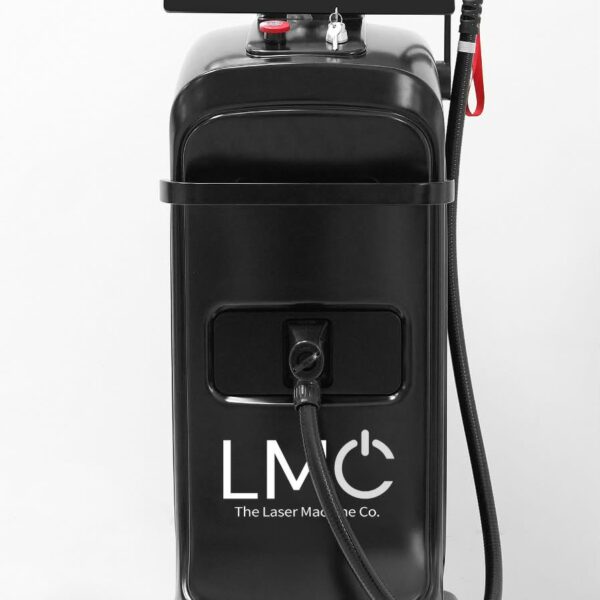
There's no shortage of tattoo removal machines on the UK market. There's also no shortage of suppliers happy to call whatever they sell the best option available. This post cuts through that — it's a ranked verdict list, not a sales pitch. We stock some of the machines below and don't stock others. Where a competitor makes a better case for a specific situation, we'll say so.
If you want a detailed breakdown of how laser tattoo removal works, what specs to look for, and a full buying guide, that's covered in our professional laser tattoo removal machines guide. This post is for people who've done the research and want a straight answer on which machine to buy.
2026 VERDICTS AT A GLANCE
| Category | Our Pick | Price | Why |
| Best entry-level | LMC ND:YAG Pro 4 | £3,999 | Triple wavelength, 6ns pulse, training included |
| Best mid-range | LMC ND:YAG PRO X | £5,999 | Higher peak power, Android interface, built for regular use |
| Best dual system | LMC Dual Lux Pro | £10,999 | Tattoo removal + hair removal from one machine |
| Best high-volume | LMC Vertical Dual Lux Elite | £16,999 | High-output dual system, built for sustained daily use |
Best Entry-Level: LMC ND:YAG Pro 4
The strongest clinical specification at this price point in the UK market
ENTRY · Q-SWITCHED ND:YAG
LMC ND:YAG Pro 4
£3,999
Includes training & warranty
At £3,999 with triple wavelength capability and a 6ns pulse width, the Pro 4 outspecifies most machines in its price bracket. The 1320nm head gives you carbon peel as an additional revenue treatment — most entry machines stop at two wavelengths. Training and a UK warranty are included.
Verdict: The right machine for clinics starting out or adding tattoo removal as a secondary service. Real clinical results, accessible price point, fast payback — typically under 10 weeks at modest session volumes.
Limitation: The 5 million shot lifespan is fine for lower-to-moderate volumes. If you're running 15+ sessions per day consistently, budget for bar replacement sooner than on higher-spec machines.
Other entry-level options worth knowing
The entry Q-switched market has a long tail of machines from Chinese manufacturers sold direct via various UK importers in the £1,500–£3,500 range. Some are functional; many are not. The consistent issues at this tier are: poor pulse consistency, short component lifespans, and no meaningful UK after-sales support. If you're buying below £3,500, interrogate the specs and support infrastructure carefully — the upfront saving often disappears quickly in repairs and downtime.
Best Mid-Range: LMC ND:YAG PRO X Android
The step-up that earns its premium for regular clinical use
PROFESSIONAL · Q-SWITCHED ND:YAG
LMC ND:YAG PRO X Android
£5,999
Includes training & warranty
The £2,000 premium over the Pro 4 buys you meaningfully higher peak power — more effective photoacoustic ink shattering per session, particularly on dense or older tattoos — and an Android interface that makes parameter adjustment between clients significantly faster. If tattoo removal is going to be a regular part of your weekly treatment menu, the PRO X is the better long-term investment.
Verdict: Recommended for clinics running 8+ tattoo removal sessions per week. The higher peak power and better control make a noticeable difference on harder cases, and the improved workflow earns back the price difference in practitioner time relatively quickly.
Limitation: Still a dedicated tattoo removal machine only. If you also want hair removal, the Dual Lux Pro at £10,999 gives you both treatments for £5,000 more — worth considering before committing to the PRO X.
Mid-range alternatives
At the £5,000–£8,000 level you'll encounter machines from various suppliers with similar headline specs. The differentiators to focus on are peak power (ask for the MW figure, not just energy output), pulse width in nanoseconds, and what UK support actually looks like post-sale. Machines at this tier that can't give you a specific pulse width figure are worth questioning.
Best Dual System: LMC Dual Lux Pro
The most commercially efficient machine for clinics wanting two revenue streams
DUAL CAPABILITY · TATTOO + HAIR REMOVAL
LMC Dual Lux Pro
£10,999
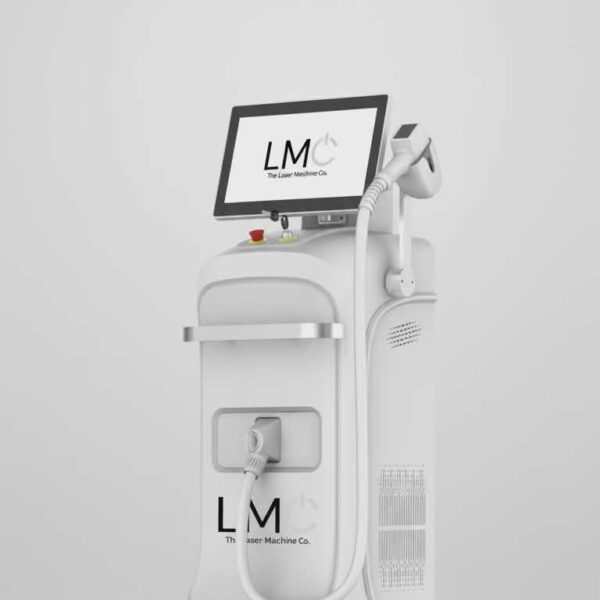
Nd:YAG tattoo removal plus 808nm diode hair removal in a single desktop unit. The commercial logic is straightforward — at £10,999 you're getting two complete professional treatment systems. Buying them separately would cost significantly more. The Nd:YAG module also extends hair removal to Fitzpatrick V–VI skin types where diode alone carries higher risk, giving you broader client coverage on both treatments.
Verdict: The best value purchase in the LMC range for most clinics. If you're going to offer both treatments — and laser hair removal demand in the UK means you almost certainly should — this is the most commercially efficient route. Two bookable services from one machine and one payment.
Limitation: The Nd:YAG module on the Dual Lux Pro is capable but not at the same peak power level as the dedicated PRO X. If your primary focus is high-volume difficult tattoo removal cases, the PRO X is the better dedicated tool. The Dual is the right choice when commercial versatility matters more than peak tattoo removal performance.
Best High-Volume: LMC Vertical Dual Lux Elite
Built for clinics where laser treatments are the primary business
PREMIUM · HIGH-OUTPUT DUAL
LMC Vertical Dual Lux Elite
£16,999
Includes training & warranty
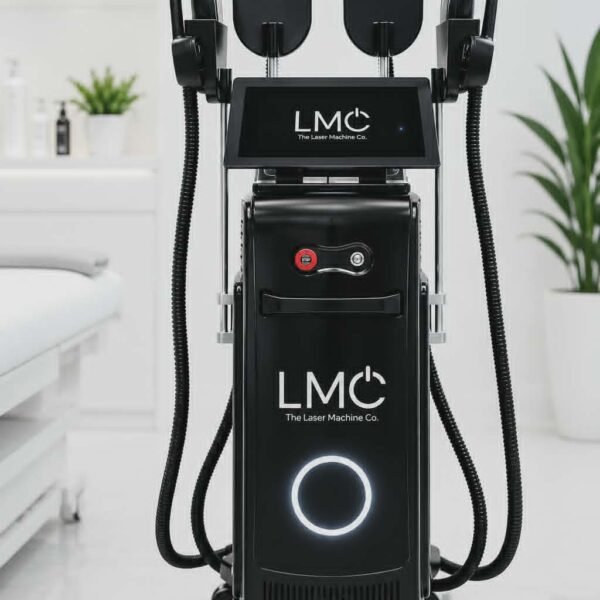
The floor-standing version of the dual system with higher output across both modules and a build quality engineered for sustained daily use. Where the desktop Dual Lux Pro is the right choice for most clinics, the Vertical Elite is for those running 15+ laser sessions per day where machine reliability and output consistency under sustained load matters.
Verdict: The right machine for dedicated laser clinics that have outgrown a desktop system. At £16,999 it competes directly with premium brand Q-switched machines on output and build quality, while also including professional hair removal capability. Finance available from approximately £487/month over 36 months.
Limitation: This is a significant investment that requires high treatment volumes to justify. If you're not consistently running 10+ sessions per day across both treatments, the desktop Dual Lux Pro is the better starting point — you can always upgrade.
Not Sure Which Machine Is Your Best Fit?
Book a free Zoom call and we'll give you a straight answer based on your treatment volume, budget, and what you're planning to offer. No pressure, no script.
Video/Zoom calls available UK-wide · In-person visits welcome at our Rossendale clinic
What Each Machine Costs Per Month on Finance
A quick reference for planning your numbers before you commit
Finance is available on all LMC machines. The figures below are indicative at 10% APR over 36 months with a 10% deposit — your actual rate depends on your application. The sessions-to-cover column uses a conservative £100 average session price.
| Machine | Price | ~Monthly (36m) | Sessions to cover/mo |
| ND:YAG Pro 4 | £3,999 | ~£115 | 2 sessions |
| ND:YAG PRO X | £5,999 | ~£172 | 2 sessions |
| Dual Lux Pro | £10,999 | ~£258 | 3 sessions |
| Vertical Dual Lux Elite | £16,999 | ~£487 | 5 sessions |
For the full breakdown of finance options, terms, and how to apply, see our finance page. For a detailed ROI analysis by machine, see the tattoo removal machine price guide.
Which One Is Right for You — Quickly
Three questions that narrow it down fast
QUESTION 1
Do you also want to offer laser hair removal?
Yes → Go straight to the Dual Lux Pro (£10,999) or Vertical Dual Lux Elite (£16,999). Buying a dedicated tattoo removal machine and a separate hair removal machine costs significantly more. No → Continue to question 2.
QUESTION 2
How many tattoo removal sessions per week are you realistically expecting?
Under 8/week → ND:YAG Pro 4 (£3,999) is the right call. It will handle this volume comfortably with payback in under 3 months. 8–20/week → ND:YAG PRO X (£5,999) — the higher peak power earns its premium at this volume.
QUESTION 3
Is tattoo removal your primary business at specialist volume?
Yes, 20+ sessions/week, complex multicolour cases → Look at Astanza Trinity, Quanta Q-Plus C, or a picosecond system. We don't sell these but they're the right tools for this situation. No → You're in the LMC range. See questions 1 and 2 above.
Frequently Asked Questions
Quick answers — for the detail, see our full buyer's guide
What is the best tattoo removal machine for a UK clinic in 2026?
For most independent clinics, the LMC Dual Lux Pro at £10,999 — it gives you professional tattoo removal and laser hair removal from a single machine, which is the most commercially sensible combination for the majority of UK clinic owners. If you only want tattoo removal and volume is moderate, the ND:YAG Pro 4 at £3,999 is the entry pick.
Is a picosecond laser worth it for an independent clinic?
For most independent UK clinics, no. Q-switched Nd:YAG delivers excellent results on the vast majority of tattoo removal cases — black and dark inks on standard skin types, which make up the bulk of most clinics' workload. Picosecond technology offers advantages on resistant ink colours and previously treated tattoos, but the equipment premium is significant and the volume required to justify it is beyond what most independent clinics are running. Start with Q-switched and let your own caseload tell you if an upgrade is warranted.
What's the difference between the ND:YAG Pro 4 and PRO X?
The PRO X has higher peak power and an Android touchscreen interface. Higher peak power means more effective photoacoustic ink shattering per session — particularly noticeable on dense, old, or resistant tattoos. The interface improvement matters most for clinics adjusting parameters frequently between different client types. At under 8 sessions/week the Pro 4 is the better value; above that the PRO X's performance justifies the £2,000 premium.
Can one machine do both tattoo removal and hair removal?
Yes — the Dual Lux Pro and Vertical Dual Lux Elite both combine Nd:YAG for tattoo removal with 808nm diode for hair removal. This is usually the best commercial decision for clinics wanting both treatments — two machines would cost significantly more and take up double the floor space.
How quickly do tattoo removal machines pay for themselves?
At typical UK session rates (£80–£150 per session) and modest volumes, most machines pay back within 2–4 months. The ND:YAG Pro 4 at £3,999 needs roughly 30–50 sessions at £100 average to recoup the machine cost — achievable in 6–8 weeks for a clinic running regular sessions. For full pricing analysis see our tattoo removal machine price guide.
Is finance available?
Yes on all machines. The Pro 4 works out at approximately £115/month over 36 months — covered by two standard sessions. The Dual Lux Pro is approximately £258/month — covered by three sessions. See our finance page for full details, or WhatsApp us to discuss what works for your situation.
What's included when I buy from LMC?
All machines include the full accessory kit, hands-on professional training, a 1-year warranty, CE certification documentation, and ongoing UK-based support. Training covers practical clinical use, not just a manual — it's designed to satisfy insurer requirements for Level 4 qualification alongside your formal training programme.
See the Machines in Action Before You Buy
No obligation — just an honest conversation about what's right for your clinic
We're happy to show you any machine working over a Zoom call, run through the specs side-by-side, and give you a straight answer on which one makes sense for your clinic. If you're in Lancashire, come and see them in person.
OPTION 1
Book a Demo Call
Video or Zoom with Alex or Dawn. See the machines, get honest answers. UK-wide.
Book Demo Call →OPTION 2
Visit Us in Rossendale
Based in Lancashire or nearby? Come see the machines working in person.
Arrange a Visit →OPTION 3
Request a Quote
Know what you want? Call or WhatsApp and we'll come back fast.
WhatsApp Us →THE LASER MACHINE CO · CONTACT